Learning Progressions
A Clear Path for Growth
WHPS Learning Progressions organize research-based skills and developmental benchmarks in the sequence in which they typically emerge. They help teachers understand where a child is, what comes next, and how to keep learning moving forward without important gaps or artificial limits based on age or grade.
These are not checklists. They are maps teachers use to personalize instruction. The examples on this page give families a simple view of how skills build across our Elementary program, while teachers use much more detailed progressions and instructional tools to guide each child’s learning.
How it works
Understand
What can the child already do?
Teachers analyze student work, observation, conversation, and individual assessment to understand where learning stands.
Identify
What comes next?
Teachers identify the skills the whole class, a small group, or an individual child is ready to develop next.
Teach
Meet the child there.
Instruction may happen as a class, in flexible groups, or individually, depending on the learning need.
Grow
Look for real mastery.
Tests and quizzes matter, but authentic student work also shows what children can apply independently. The goal is transfer, not simply preparing for the next test.
Skilled Teaching
The Teachers Make the Difference
A progression is only a tool. Our teachers receive extensive training and ongoing professional development in using assessment, flexible grouping, and developmental progressions to guide individualized instruction.
The goal is simple: the right instruction at the right time.
Language Arts
AI Can Write an Essay. It Can’t Think for Your Child.
AI can summarize an article, outline a book report, and produce polished writing in seconds. What it cannot do is develop a child’s judgment, perspective, voice, or ability to connect meaningfully with another person.
That is why reading, writing, word study, and public speaking matter more than ever. They are how children learn to think deeply, communicate clearly, and develop ideas and a voice of their own.
Explore the Progressions
See How Skills Grow
These high-level overviews give families a clear window into how important skills develop across WHPS, from strong foundations through increasingly advanced work.
Writing
Ideas, Craft & a Voice of Their Own
Learn to tell engaging stories, craft convincing arguments, teach others through clear informational writing, and use grammar, spelling, structure, and revision to communicate with increasing precision and impact.
Writing Workshop combines shared instruction, mentor texts, flexible groups, and individual conferences. Teachers use student writing to identify what each writer is ready to work on next.
Skills Develop Across
- Ideas & organization
- Elaboration
- Structure
- Voice & craft
- Grammar & conventions
- Revision & editing
- Audience
- Purpose
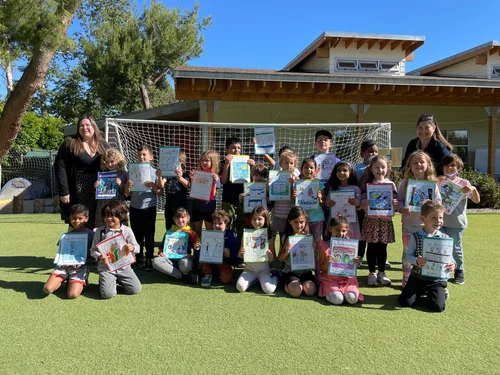
Students write, revise, and publish for real audiences. Independent writing samples help teachers see which skills have transferred, what still needs strengthening, and what each child is ready to learn next.
View the Writing Progression →
Reading
From Decoding to Deep Thinking
Strong foundations grow into fluency, comprehension, inference, and analysis, then into book clubs and rich discussions where students study great authors, consider different perspectives, and make meaningful connections between reading and writing.
Reading develops from the foundational skills children need to decode accurately and fluently into increasingly sophisticated comprehension, interpretation, vocabulary, and analysis.
Skills Develop Across
- Phonemic awareness
- Decoding
- Fluency
- Vocabulary
- Comprehension
- Inference
- Theme & perspective
- Analysis & interpretation
Individual conferences and flexible strategy groups allow children to receive targeted support while book clubs and discussion give increasingly sophisticated readers opportunities to think deeply with others.
View the Reading Progression →
Word Study
Building a Powerful Vocabulary
Personalized spelling and vocabulary development helps children understand how sounds, patterns, word parts, and meaning work together so they can read, spell, and use increasingly sophisticated language with confidence.
Word Study is much more than memorizing a weekly spelling list. Children learn how sounds, letters, patterns, word parts, vocabulary, reading, and writing connect.
Skills Develop Across
- Sounds & letters
- Phonemic awareness
- Phonics
- Spelling patterns
- Syllables
- Word structure
- Vocabulary
- Application in reading & writing
Early foundational instruction includes UFLI Foundations, an evidence-based approach grounded in current reading research. As children become secure with those foundations, instruction develops into increasingly sophisticated spelling, vocabulary, patterns, and word analysis.
View the Word Study & Spelling Progression →
Public Speaking
Finding Your Voice
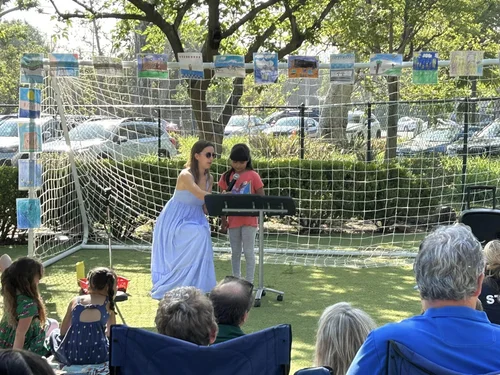
From sharing an idea in Morning Meeting and reading to an audience at Publishing Celebrations to presenting, persuading, hosting school programs and tours, disagreeing respectfully, and learning to advocate for themselves and others.
Public speaking begins long before children stand behind a podium. Students learn to share ideas, listen, organize their thinking, respond to others, and communicate confidently with an audience.
Skills Develop Across
- Speaking clearly
- Organizing ideas
- Listening & responding
- Eye contact & body language
- Tone & expression
- Presentation
- Persuasion
- Advocacy
Morning Meetings, Publishing Celebrations, classroom presentations, performances, school programs, and tours give children authentic reasons to use these skills. By 5th Grade, every graduating student writes and delivers a graduation speech.
View the Public Speaking Progression →Social-Emotional & Personal Development
Learning to Understand Yourself
Just as academic skills grow over time, so do self-awareness, independence, communication, relationships, reflection, and responsibility. At WHPS, children become active participants in that growth surprisingly early.
Even our youngest Elementary students begin reflecting on their strengths, choices, friendships, and challenges.
Together, the student, family, and teacher identify one meaningful goal to work on, then give the child opportunities to practice, reflect, and grow.
As children mature, they take increasing ownership through SMART goals, Leadership Notebooks, reflection, and Student-Led Conferences.
You Might Be Surprised What a Five-Year-Old Can Tell You
Even very young children can reflect honestly when adults give them the opportunity.
- What am I good at?
- What is hard for me?
- Am I being a first-time listener?
- How am I doing as a friend?
- What happens when I get frustrated?
- What would I like to get better at?
The goal is not perfection. It is helping children understand themselves well enough to participate in their own growth.
Elementary at WHPS
See What Learning Looks Like Here
Learning Progressions are one part of a joyful, highly personalized approach to helping children grow.