
An Outside Look at Whether a School Is Delivering on Its Promises
Schools describe what they believe about children, how they teach, and what they intend students to gain from the experience. Accreditation examines a different question: What does the evidence show? At WHPS, that means looking across the full preschool-through-fifth-grade experience and asking whether the program children encounter year after year is delivering on that promise.
WASC accreditation is conducted through peer review by experienced educational leaders from other accredited schools. They bring the perspective of educators who have led and evaluated programs beyond their own campuses and examine how closely a school is living its mission, the quality and rationale of its educational program, and the evidence of student learning and achievement.
The review also considers the systems behind the classroom experience—including faculty qualifications and evaluation, professional learning and its effectiveness, leadership, resources, school culture, and the school's own processes for measuring results and improving its work.
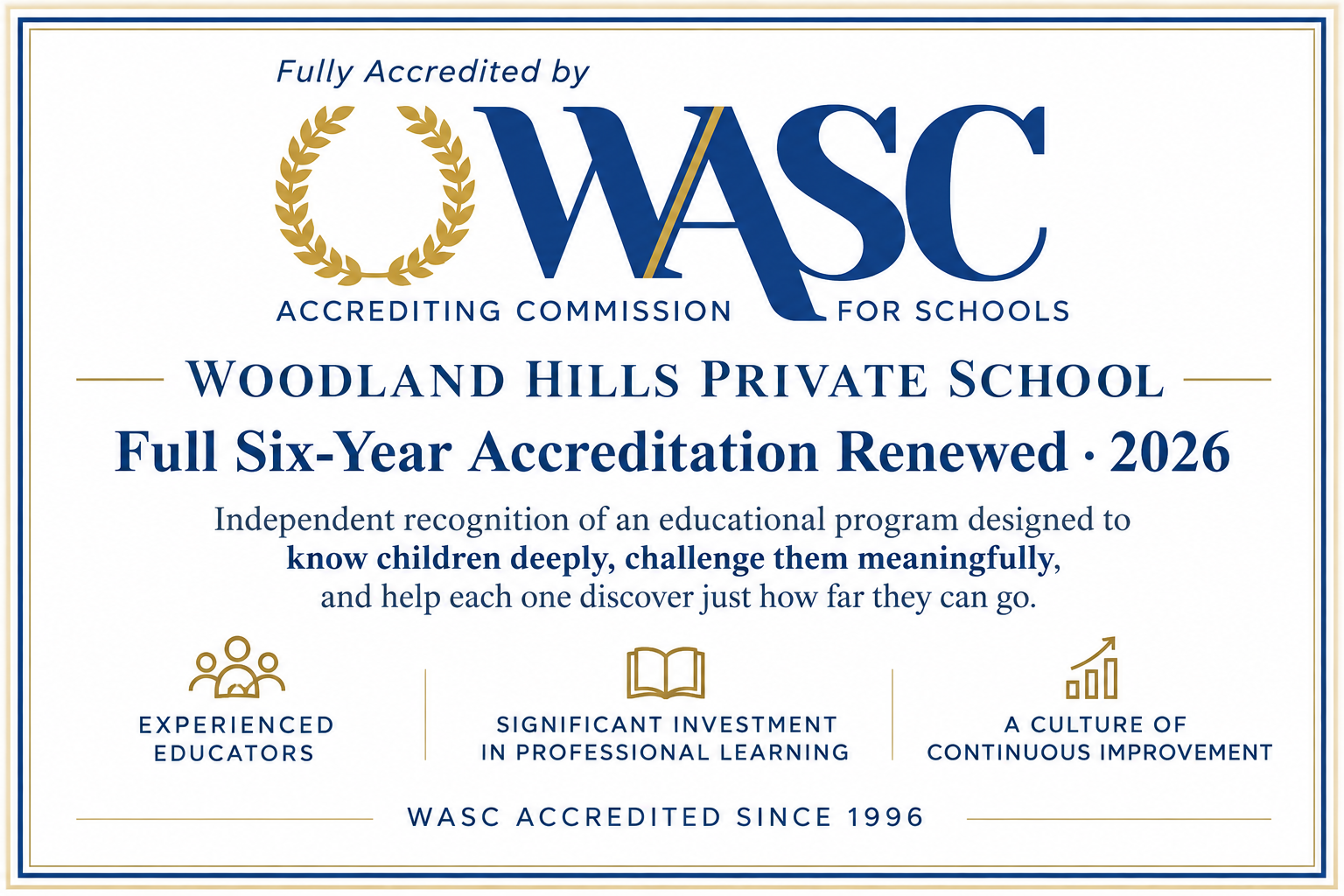
WHPS has been WASC accredited since 1996 and received a full six-year accreditation renewal in 2026.
The Review Connects a School's Mission With What Actually Happens in Practice
The process begins with an extensive schoolwide self-study. A visiting committee of experienced educational leaders reviews the school's evidence, then comes to campus to observe classrooms, examine student learning and achievement, and speak directly with students, families, faculty, staff, and leadership.
One Observation Stood Out Across the Years
“We were especially struck by how thoughtfully even five- and six-year-olds could talk about their own learning—their goals, their growth, and what they were discovering about themselves as learners. We rarely see this depth of self-awareness in children so young, and as students grew older, it became even more apparent.
They spoke openly and enthusiastically about their strengths and their personal and academic goals, thoughtfully assessed their own personal, social, and organizational skills, and identified what they wanted to work on next. They were equally comfortable talking about challenges—where they had struggled, when they needed help, and how they adjusted their approach along the way.
Most striking was that this was not limited to a few particularly articulate students; we saw this capacity for reflection and ownership consistently across classrooms and grade levels.
The depth of self-understanding students demonstrated, and their ability to take genuine ownership of their learning and growth, was unlike what we typically encounter in other schools and emerged as one of WHPS's greatest strengths.”
— WASC Visiting Committee
The Committee Examined Individualized Learning Alongside Evidence of Student Progress
Reviewers considered classroom practice alongside student work, assessment, achievement, and growth. They found evidence of students progressing beyond traditional grade-level expectations when they were ready.
Team Teaching
“Having two fully qualified teachers in the classroom created the flexibility to regroup students, confer individually, observe closely, and respond to different learning needs.”
Workshop Instruction
“Workshop teaching, flexible grouping, individual conferences, and student choice allow instruction to vary according to the learner and the task.”
Learning Progressions
“We saw teachers extensively using the school's developmental learning progressions to see learning beyond a single grade-level standard and identify the skills and concepts that come next.”
Ongoing Assessment
“We saw many different forms of assessment used both to inform learning goals for individual students and for teachers to make sure learning transferred or determine where students may need reinforcement, a different approach, or greater challenge.”
The Review Considered the Expertise Behind the Program
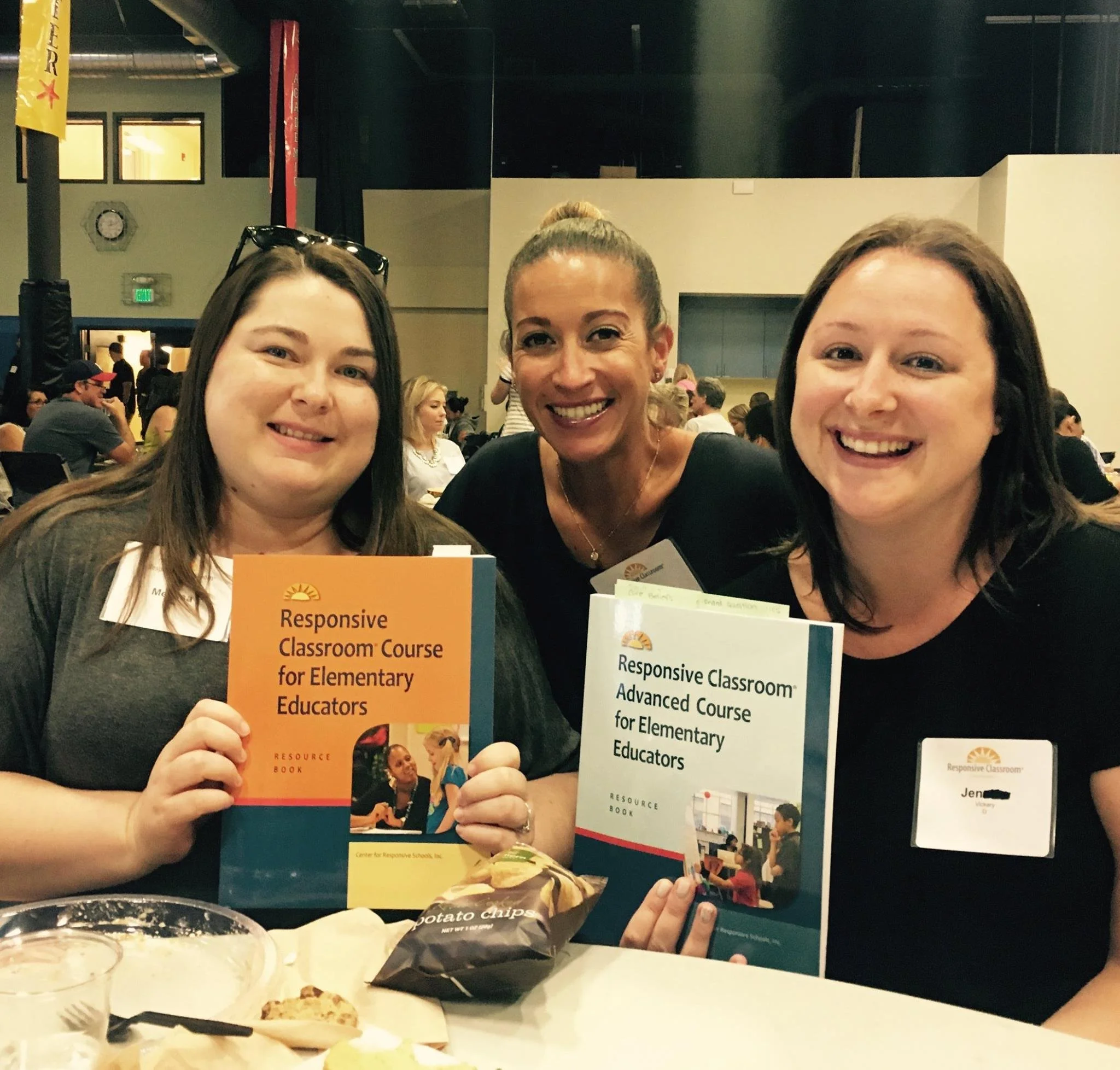
WASC's review extends beyond what happens during a classroom observation. It also considers faculty qualifications, professional learning, evaluation systems, and how a school determines whether its investment in teacher development is influencing practice and student learning.
At WHPS, the committee recognized significant investment in professional learning and the training supporting the school's instructional model.
Reviewers saw that work reflected in classroom practice, including workshop instruction, differentiation, formative assessment, developmental learning progressions, and collaborative team teaching.
They also encountered a faculty with substantial institutional experience, including educators who have worked at WHPS for 10, 15, 20, and in some cases 30 years.
The Committee Noted Both the Breadth of the Program and the Role of Hands-On Science
Reviewers noted specialist learning built into the regular school day, including visual and performing arts, music, Spanish, technology, coding and robotics, physical education, and science and nature.
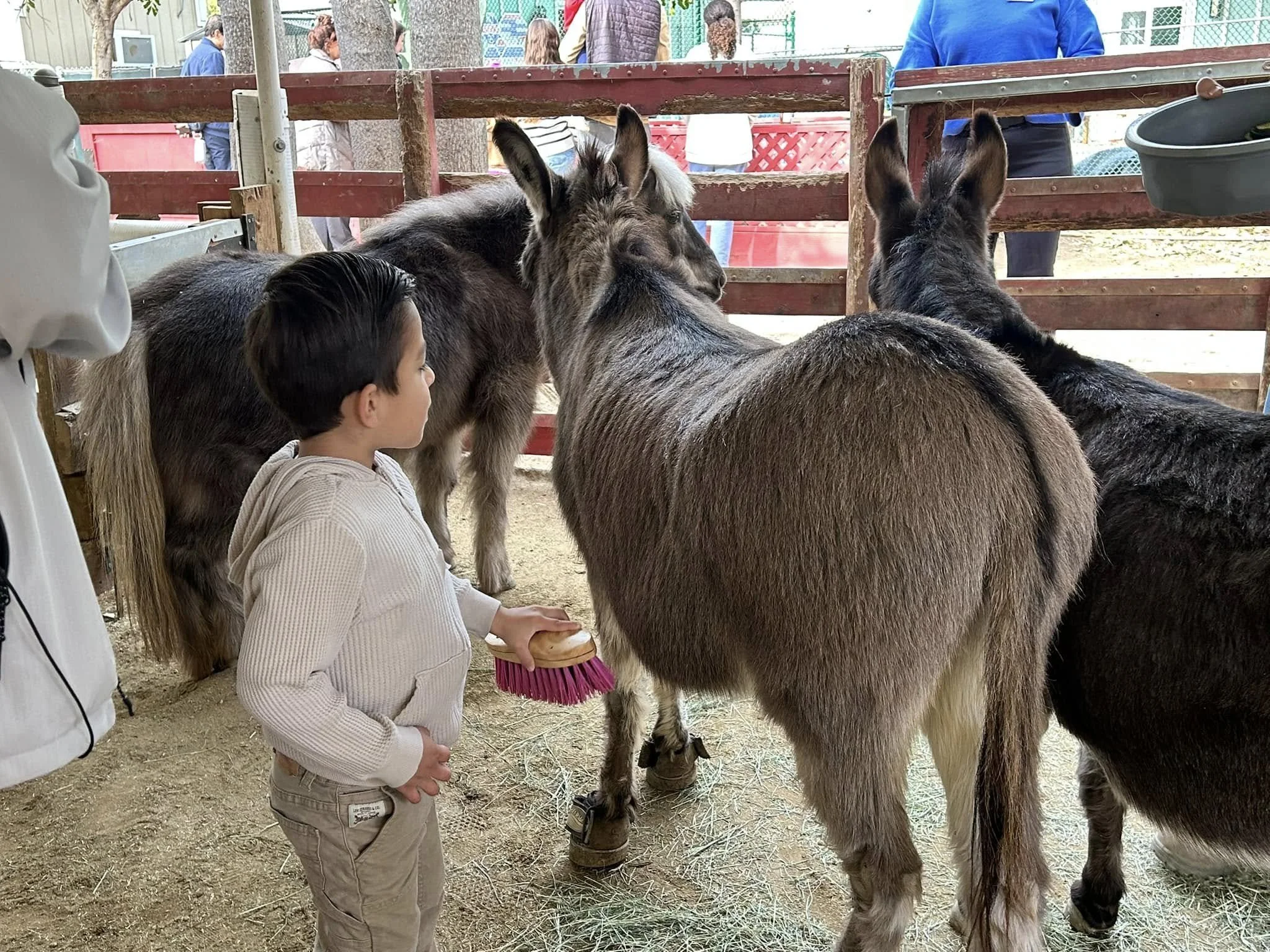
In science, the committee observed students engaged in direct investigation, experimentation, engineering, technology, and scientific reasoning.
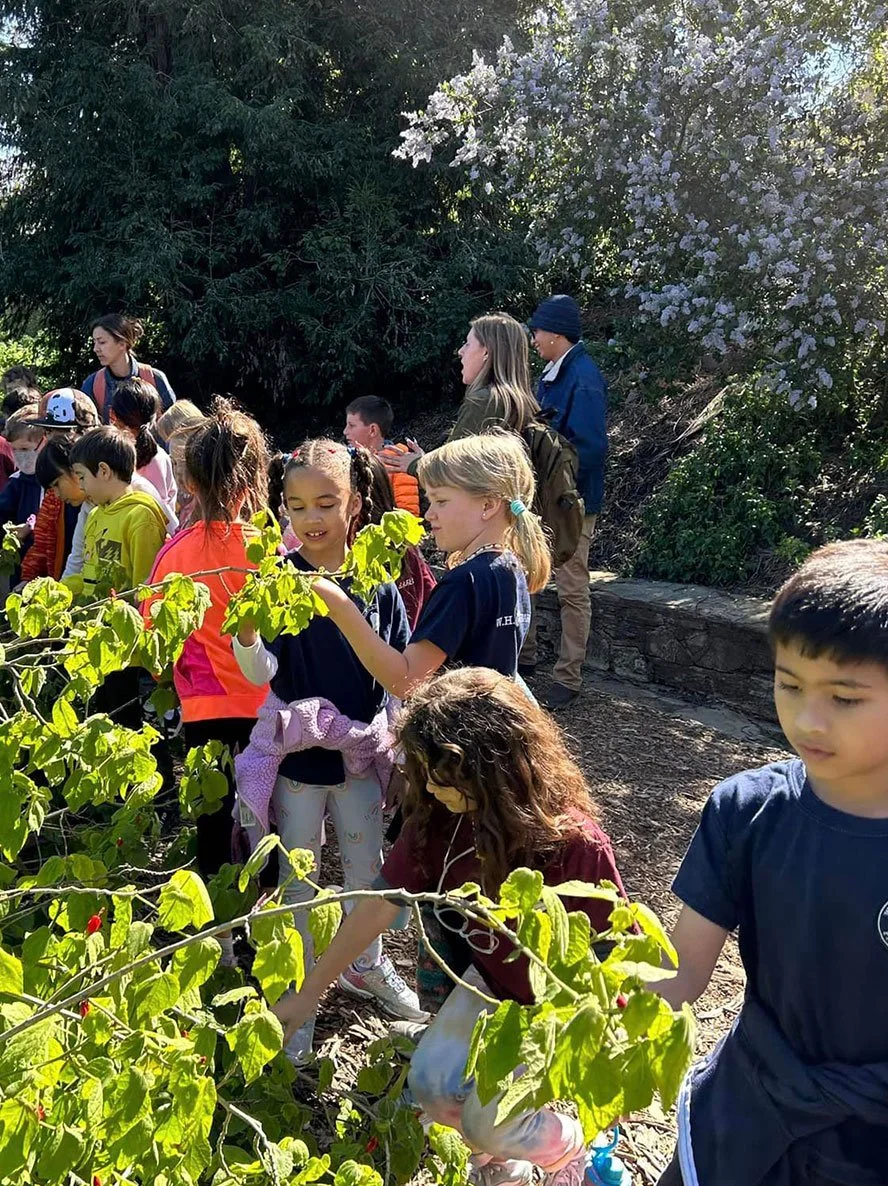
The Science & Nature Center and on-campus teaching zoo allow students to observe living systems firsthand, care for animals, gather evidence, investigate questions, and revisit those experiences with increasing depth as they grow.
The visiting committee recognized the teaching zoo as an exceptional curriculum resource providing learning opportunities its members had not encountered at other schools.
Reviewers observed those direct experiences being connected to questioning, research, evidence, discussion, and problem-solving.
Reviewers Also Considered the Experience of Being a Student at WHPS
The committee described a strong, supportive community in which children's individuality remained at the forefront and high expectations coexisted with respect for individual and cultural differences.
Reviewers also noted strong connections between school and family and students' developing ability to understand and advocate for their academic and social-emotional needs.
“A place where they could be themselves and feel safe.”
How students described WHPS to the visiting committee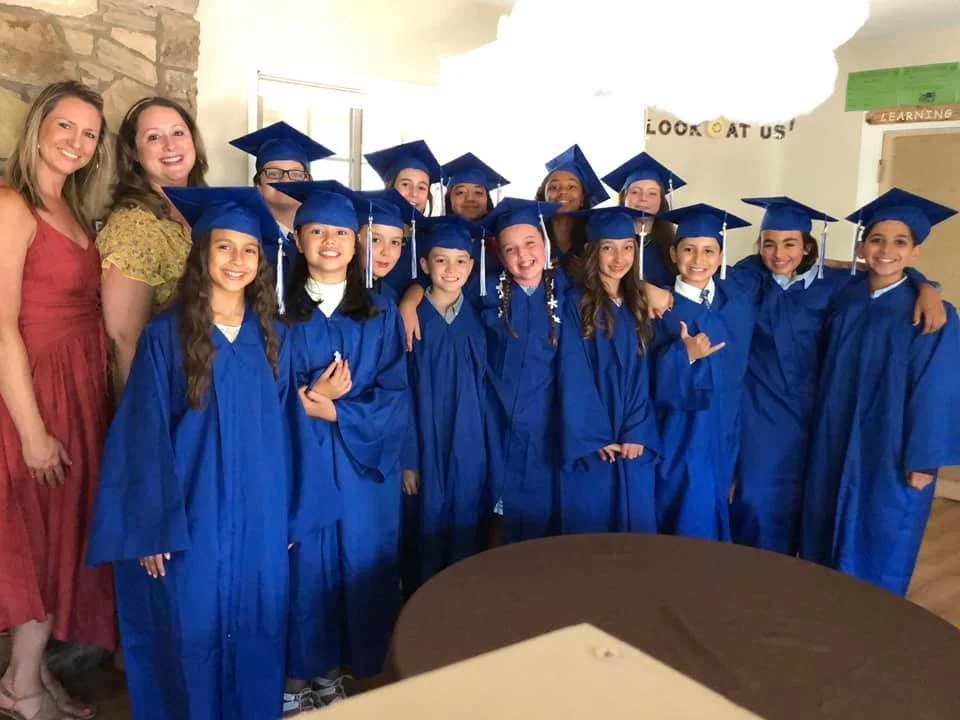
The Review Extended Beyond Students' Years at WHPS
By the time students leave WHPS, the committee could see how years of increasingly sophisticated learning, reflection, independence, and responsibility had come together. WASC found students well prepared for successful matriculation to middle school and heard directly from alumni families about their children's preparedness at the next level.
The committee also considered the independence, self-awareness, communication, and ownership students demonstrated before leaving elementary school, qualities that develop over time and take shape differently in each child.
Taken together, the review considered preparation both in terms of what students had learned and their readiness to continue learning in a new environment.
Accreditation Also Examines Where a School Can Continue to Grow
The accreditation process looks not only at a school's strengths, but also at where the program can continue to grow and improve. WHPS examines its work critically, identifies priorities for further development, and provides evidence supporting those conclusions. The visiting committee evaluates and peer reviews that analysis as part of the accreditation process.
That process also provides an external check on the school's six-year action plan and longer-term strategic direction. Priorities are grounded in student outcomes, community feedback, the school's self-study, and the observations of the visiting committee, then revisited as WHPS measures progress over the accreditation cycle.
A six-year accreditation cycle provides both an external evaluation of the current program and a peer-reviewed framework for the school's continued growth and long-term planning.
See the Program in Practice
Families considering WHPS are invited to visit the classrooms and learning spaces, meet the educators, and see firsthand many of the elements examined through the accreditation process.