
Make the Most of the Years That Matter Most
From the earliest preschool years through fifth grade, children are becoming far more than students. They're building academic foundations, but also discovering what interests them, what they're good at, how they respond to challenge, how they relate to others, and what they may be capable of.

At WHPS, reaching a child's fullest potential means developing the whole child.
Preschool through fifth grade is one intentionally designed journey, with each year building on the curiosity, confidence, skills, and self-knowledge developed before it. Teachers continually ask: What does this child understand now? What captures their interest? Where do they need support? Where are they ready to stretch? And what new experience might reveal something we haven't seen yet?
The academic goals are ambitious. The personal ones matter just as much.
By fifth grade, our students know how to think deeply, pursue an idea, solve a problem, use their voice, advocate for themselves and others, and take ownership of what comes next. They leave knowing more about the world, more about themselves, and far more about what they're capable of.
Visit WHPS and you'll see these qualities taking shape long before fifth grade.
Learning That Grows With the Child

Children develop at different rates, and even within the same child, readiness can vary enormously from one area to another. Our curriculum is designed to meet children where they are and keep them growing.
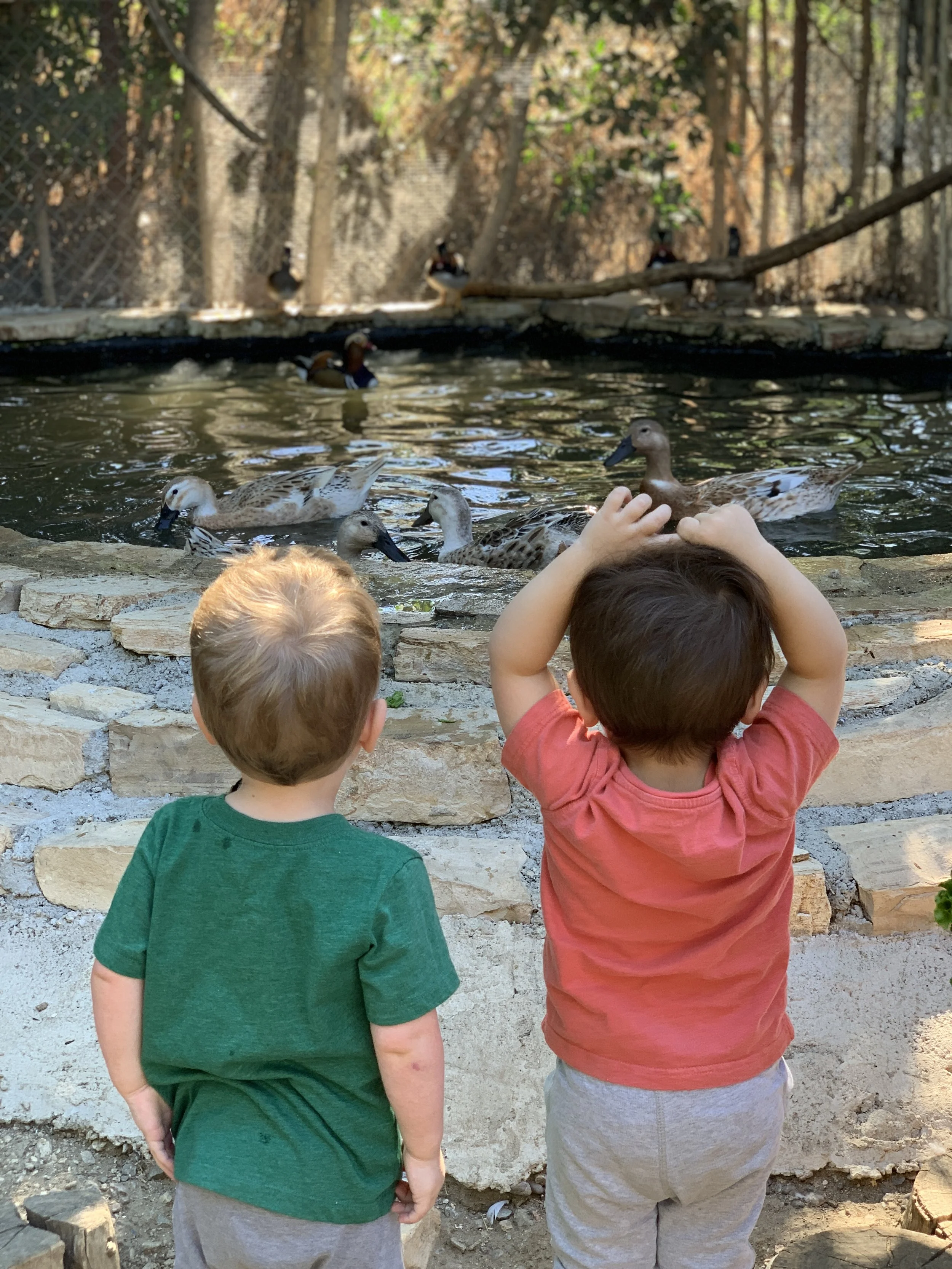
In Preschool, Learning Often Begins With Curiosity
Teachers keenly observe children's interests and development, sometimes introducing provocations, materials, or questions designed to spark new curiosity. From there, they build immersive units of study that weave in intentional goals across language, early literacy and mathematics, science, creativity, problem-solving, and social development.
The interests may emerge from the children, but the learning is carefully designed by the teachers. Teaching at the intersection of interest and readiness can unlock extraordinary motivation and deeper learning.
In Elementary, Personalization Becomes Increasingly Precise
Teachers use developmental learning progressions, ongoing assessment, flexible grouping, and individual goals to understand where each child is now and what they are ready to learn next.
Our model of two fully qualified teachers in the classroom creates substantial capacity for individual attention while preserving a rich and diverse peer community.
A child can need support in one area while working well beyond grade-level expectations in another. Each child has room to build confidence, deepen understanding, and keep growing from where they are.
A Wider World, From the Very Beginning
At WHPS, children encounter a wide range of experiences that can reveal new interests, strengths, and possibilities. Science, nature, art, music, Spanish, movement, technology, coding, robotics, engineering, and hands-on design in our Maker Studio expand the ways children can discover what interests them and what they're capable of.
These experiences are woven into the life of the school. They give children more ways to make connections, uncover strengths, and discover where they come alive as learners.
Science & Nature
Outdoor inquiry, animals, ecology, observation, and experimentation grow into increasingly sophisticated life science as children move through WHPS.
Technology, Engineering & Maker
Digital fluency grows into coding and robotics. Engineering begins in first grade as part of science, and beginning in second grade, every student also has a weekly Maker class where ideas move from imagination to design, building, testing, troubleshooting, and refinement.
Arts & Expression
Visual art, music, performance, and publishing give children increasingly sophisticated ways to create, communicate, and share their work.
Language & Movement
Spanish, physical education, and movement build communication, coordination, teamwork, and confidence across the preschool and elementary years.
Where the Living World Becomes the Classroom
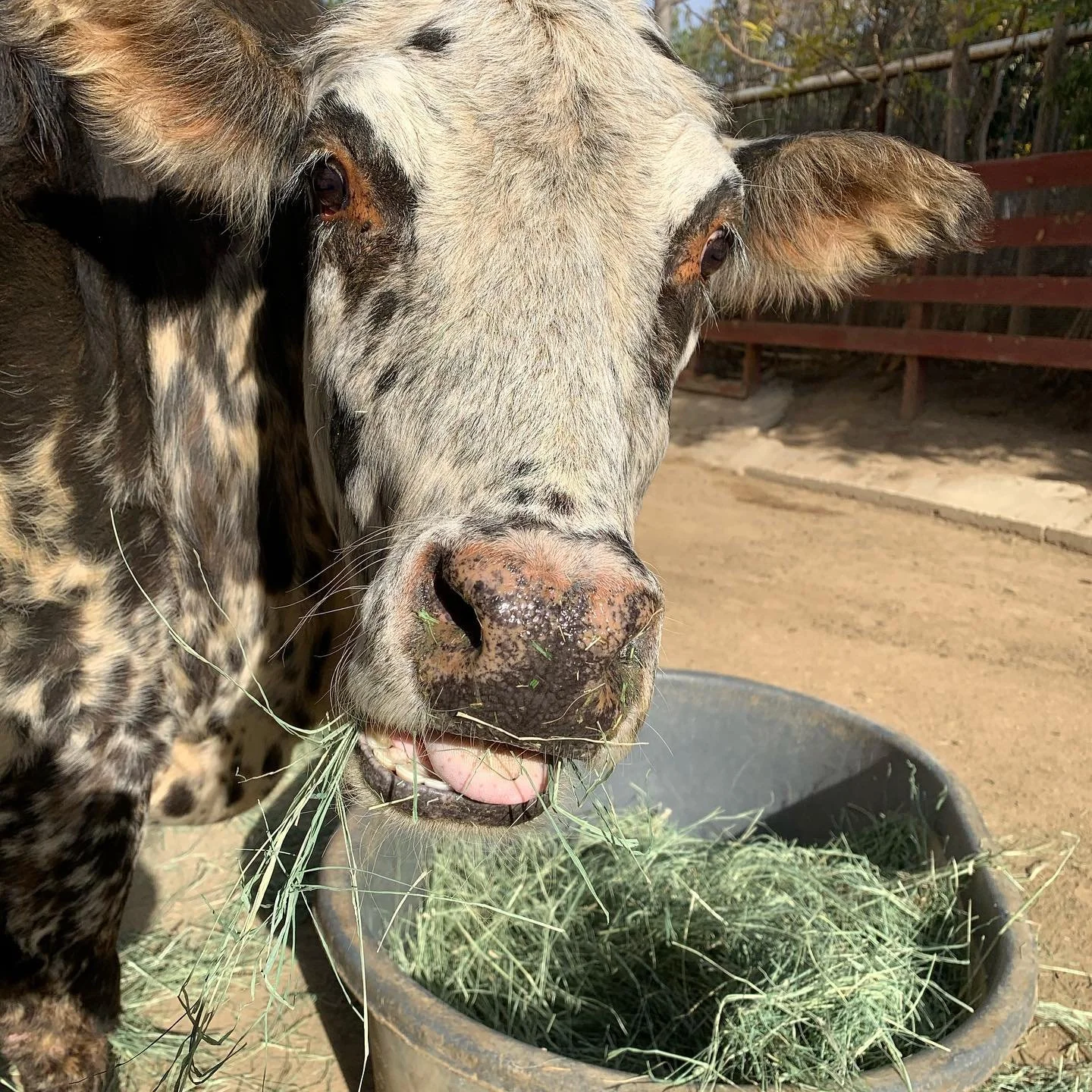
Our Science & Nature Center is an on-campus teaching zoo with more than 80 animals. Children observe the living world up close, care for animals, ask questions, investigate, and build understanding through direct experience.
The science grows with them. Early experiences center on wonder, observation, care, vocabulary, and questions. Over time, students move into increasingly sophisticated questions about ecology, habitats, behavior, heredity, genetics, adaptation, animal cognition, and evolution.
Our animals and natural spaces are part of the curriculum, giving children extraordinary opportunities to observe, question, investigate, and learn from the living world.
More of Childhood Can Happen in One Place
A rich school day, extended care, sports, classes, and other activities can all be part of life on the WHPS campus. Children have opportunities to explore widely while spending more of their day within one familiar community.
For families, that can mean fewer transitions. For children, it means more of the day with familiar people, familiar expectations, and a community they already know.
Finding Their Voice
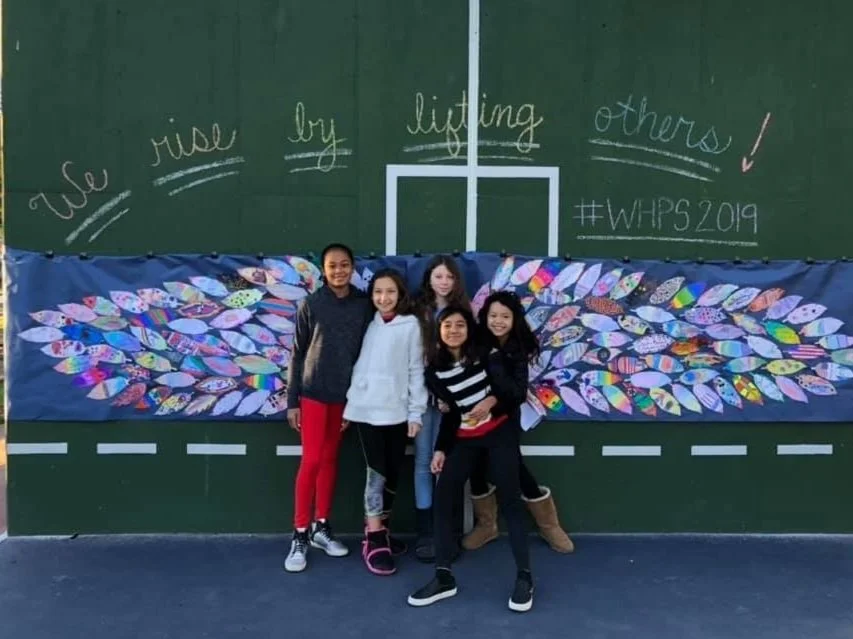
Across these years, academic growth develops alongside something equally important: children are learning who they are, how they relate to others, and how to take increasing responsibility for themselves.
Finding their voice doesn't mean becoming the loudest person in the room. It means becoming more fully themselves.
From an early age, children have a seat at the table as they discover who they are. They make meaningful choices, set academic and personal goals, reflect on their progress, and begin to recognize their own strengths, challenges, and what helps them succeed.
As they grow, they learn to seek feedback, ask for help, advocate for themselves and others, work through disagreements, listen to different perspectives, and take greater ownership of what comes next.
That growth looks different in every child. The goal isn't a particular personality or kind of student. It's a child who increasingly knows themselves, understands what matters to them, and has the confidence to use their own voice well.
By Fifth Grade, You Can See What Those Years Have Built
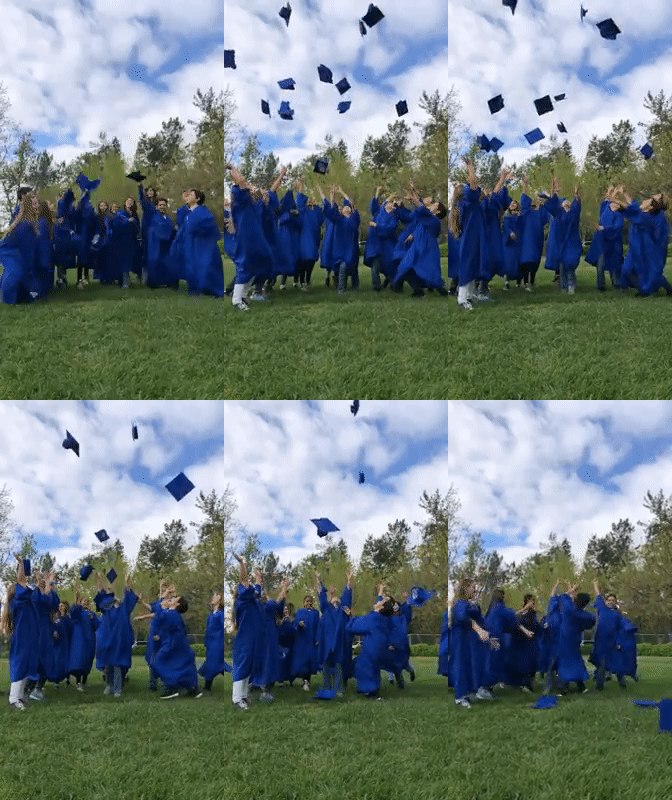
The WHPS experience is designed with a longer view in mind. By fifth grade, you can see all of these years coming together, not in children who have been shaped into the same kind of student, but in children who know themselves remarkably well. They leave with strong academic foundations and an increasing ability to think deeply, communicate with confidence, solve unfamiliar problems, advocate for themselves and others, and take ownership of their own growth. What makes it especially meaningful is seeing those qualities in every kind of child, expressed through their own interests, strengths, goals, personalities, and voices.
They Read Beneath the Surface
Read increasingly complex texts, develop their own tastes and interests as readers, consider perspectives beyond their own, draw nuanced inferences, and support interpretations with evidence.
They Write With Voice and Purpose
Write across genres with sophistication, pursue ideas and subjects that matter to them, shape writing for audience and impact, revise substantially, and develop a voice that is recognizably their own.
They Solve Complex Problems
Approach complexity with confidence, break difficult problems into manageable parts, identify patterns and connections, test assumptions, compare strategies, and apply what they know when the path forward isn't obvious.
They Speak With Confidence
Express ideas with clarity and conviction, explain and defend their thinking, listen genuinely to others, disagree respectfully, and engage thoughtfully even when perspectives differ.
They Know Themselves and Advocate for Others
Recognize what matters to them and what they stand for, advocate for themselves and others, engage thoughtfully across differences, navigate conflict, and turn concern into constructive action.
They Own Their Growth
Know their strengths, challenges, interests, and emerging passions. They set meaningful goals, seek and use feedback, take pride in who they are, and understand what helps them keep growing.
Beyond WHPS, see how this foundation carries forward: how students learn to use what they know in new situations, how they prepare for greater independence, and how we help each family navigate the transition to the right next school.
What Visitors See in Our School
In our most recent WASC accreditation renewal, the visiting committee recognized many of the same qualities that define the WHPS experience, including individualized learning, strong teaching practices, students' developing sense of identity, their ability to advocate for themselves and others, and their preparation for what comes next.
The committee also heard something especially meaningful directly from our students: they described WHPS as a place where they can be themselves.
Come See What These Years Can Be
There's no better way to understand WHPS than to experience it. Spend some time on campus and see how learning, relationships, curiosity, and community come together throughout the day.
Watch the children learn and play. Meet their teachers. Ask questions. Get a feel for the community your family could become part of.