

🌿 The Power of Letting Preschool Children Just Play
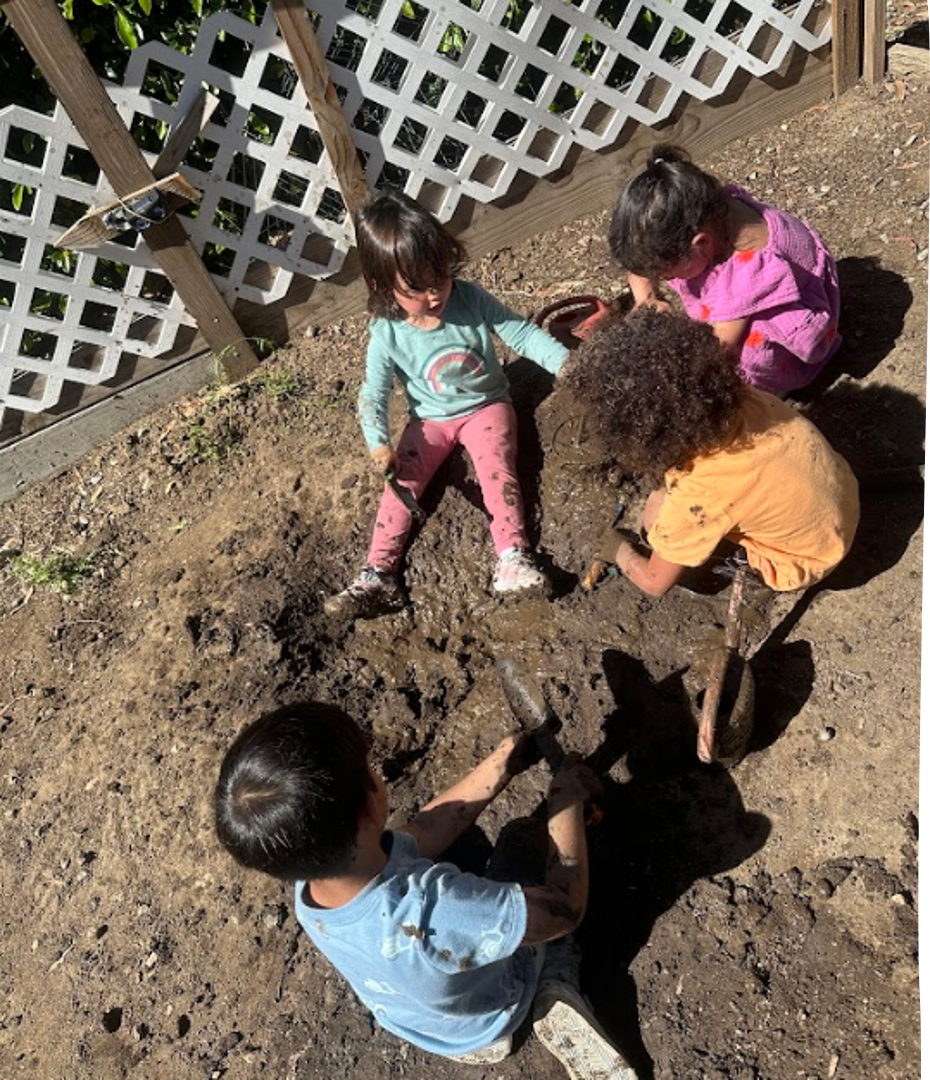
Simple Ways to Create More Unstructured Time for Young Children
In today’s busy world, it can feel like children always need something planned; classes, activities, or playdates. As parents, we naturally want to provide enriching experiences for our children. But for young children, especially ages 18 months to 5 years, one of the most valuable things we can offer is time to simply play.
Unstructured play, play that is not directed by adults and does not have a specific goal, is one of the most powerful ways children learn. It helps build creativity, problem-solving skills, emotional regulation, and confidence. The good news is that creating space for this kind of play doesn’t require special materials or elaborate setups. Often, it simply requires a little time and permission for children to explore on their own.
Below are some simple ways families can encourage more unstructured play at home.
-
Young children benefit from having unscheduled blocks of time where nothing specific is planned. Try to allow time each day where your child can simply explore and play without direction.
This might look like:
Playing on the floor with toys
Exploring the backyard
Building with blocks
Pretending with dolls or stuffed animals
Exploring books
Even 30–60 minutes of open play can give children the space they need to use their imagination.
-
Children do not need complex toys to play creatively. In fact, toys that can be used in many different ways often lead to the richest play. Some great open-ended materials include:
Blocks
Play dough
Cardboard boxes
Blankets for forts
Toy animals or dolls
Crayons and paper
These materials allow children to create their own ideas instead of following instructions.
-
Sometimes the best thing adults can do during play is step back and watch.
When adults avoid directing every activity, children can:
Lead their own play
Solve small problems
Build confidence in their ideas
Your child may surprise you with the worlds they create.
💛 A Gentle Reminder
Children do not need every moment of their day filled with structured activities.
They need time to:
Imagine
Explore
Experiment
Create
Unstructured play supports healthy development and allows children to discover their own interests and abilities.Sometimes the most meaningful learning happens when children are simply given the space to play.