Why Strong Schools Refuse to Coast
Planning ahead, especially when things are going well
Strong schools don’t improve because something is broken. They improve because standing still is a choice.
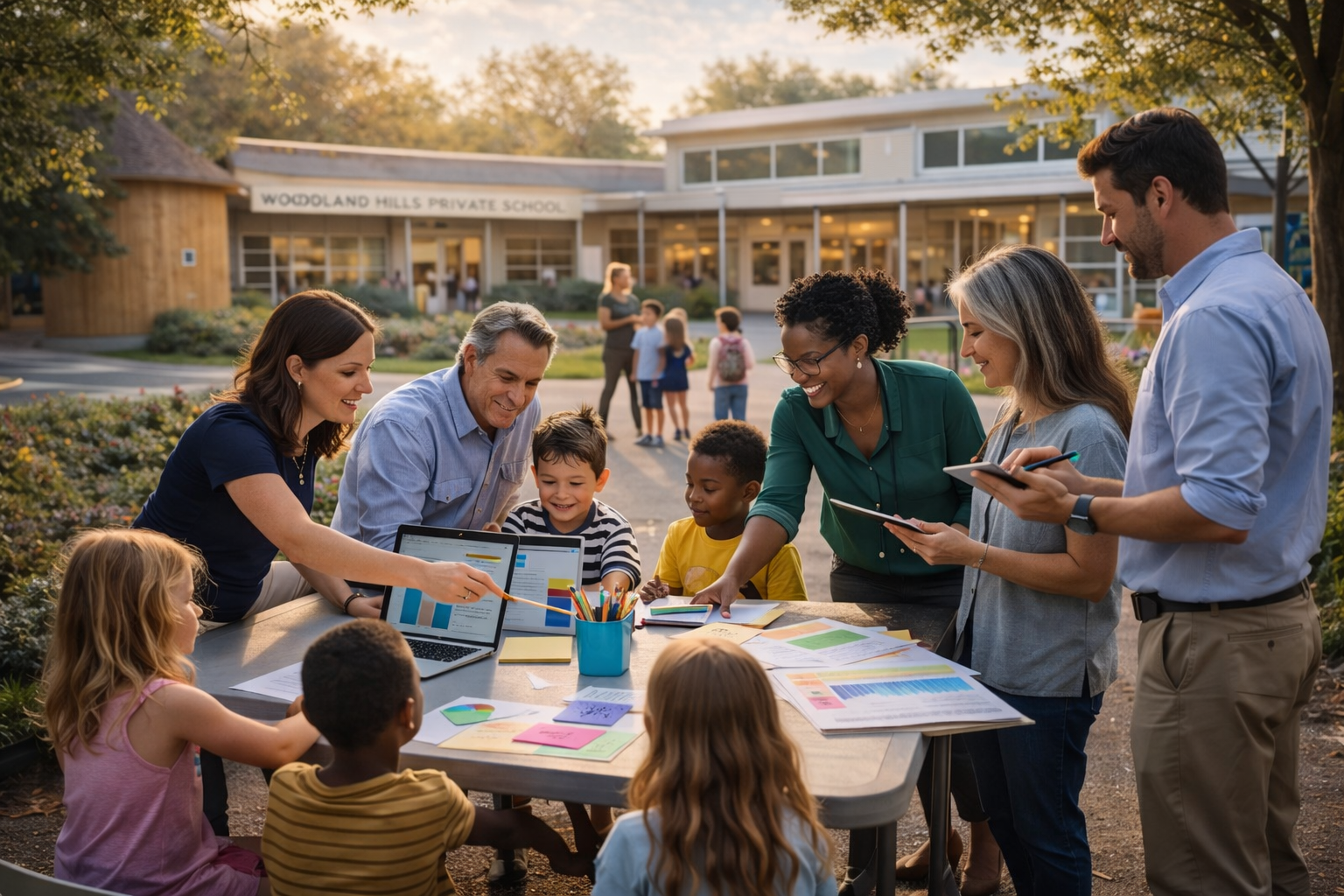
The strongest schools don’t wait for problems to force change. They reflect even when things are going well. They study what’s working, name what could be stronger, and make intentional adjustments over time. Not out of urgency, but out of responsibility.
A leader who only says “everything is fine” isn’t leading — they’re avoiding. Schools deserve the same level of honest reflection we expect from any strong organization. In fact, they require more.
Even schools with strong reputations cannot assume that what worked a decade ago will automatically serve the children and families they are serving today. Communities change. Student needs evolve. Educational research evolves. The world our children are preparing for does not stand still.
-
Public school systems are designed to meet essential needs at enormous scale, under real and necessary constraints. That work matters deeply, and it requires a very specific kind of structure.
WHPS is built on a fundamentally different model.
As a small, independent school, we have both greater flexibility and greater responsibility. We can be intentional about how resources are allocated, how adults collaborate, and how learning evolves over time. That shows up in smaller class sizes, a co-teaching model, specialized faculty training, and the ability to invest deeply in curriculum, professional development, and student support as needs emerge.
Those structural differences matter. They allow us to be more responsive, more thoughtful, and more precise in how we support children. Most importantly, they allow us to aim higher. Our goals extend beyond coverage and completion to include independence, agency, problem-solving, and a strong sense of purpose alongside rigorous academics.
This difference isn’t about comparison. It’s about clarity of mission and designing a school that can truly live its values.
-
Academic knowledge will always matter. But it is no longer enough on its own.
The world our children are growing into is shaped by rapid change, emerging technologies, and increasing complexity. In that context, the skills that endure are human ones: emotional regulation, resilience, initiative, collaboration, and the ability to think deeply and adapt.
At WHPS, these are not add-ons or buzzwords. They are embedded in how we teach, how we assess growth, and how we define success alongside strong academic foundations.
These skills don’t replace academics.
They make learning durable. -
This spring, from April 20–22, Woodland Hills Private School will host a full WASC accreditation visit.
Accreditation can sometimes sound procedural or compliance-driven. At its best, it serves a very different purpose. It creates structured time to examine evidence, listen carefully, reflect honestly, and assess how well a school is serving its students academically, socially, and emotionally.
At WHPS, this is not work we pause to do every six years. It is work that is embedded in how we think about teaching, learning, and leadership.
Our accreditation process includes a comprehensive self-study that looks back on the past six years and intentionally plans for the next six and beyond. Not to produce a document, but to test whether our practices truly align with our values and whether our systems are strong enough to support the future we envision.
At its core, this kind of reflection requires humility — a willingness to look closely at our work and ask whether it truly reflects the responsibility we hold as educators of children.
Accreditation doesn’t define who we are.
It helps us confirm that our daily work reflects the values we stand for.
What Comes Next and How Families Fit In
This work matters most when it’s shared.
During the accreditation visit, there will be opportunities for families to engage with the process and share their perspectives. Not because participation is required, but because your voice matters.
Schools that improve well don’t do it in isolation. They listen not only to external reviewers, but to the people who know the school best. Families are part of how WHPS reflects, grows, and evolves — not as an audience, but as partners.
Refusing to coast doesn’t mean chasing trends or reacting to pressure. It means building a school that remains thoughtful, responsive, and aligned with the children it serves, year after year.
That is the work we are committed to — now, and into the future.