

Young children don’t experience the world the way adults do. Anyone who has spent time with young children sees this every day.
They don’t filter out background noise.
They don’t automatically tune out bright lights or crowded spaces.
They feel the world through their bodies first.
Touch, movement, sound, smell, light, and texture shape how safe, calm, curious, or overwhelmed a child feels long before they can explain it with words. For young children especially, feeling calm and safe comes before learning.
And here’s the part many families have not had reason to think about: children today, especially those growing up in urban environments, have fewer natural opportunities for rich sensory experiences.
-
In past generations, children spent long stretches outdoors climbing, digging, balancing, listening to birds, feeling wind, dirt, grass, and uneven ground. Those experiences were not just “play.” They were quietly helping children build their nervous systems.
Today, many children spend:
more time indoors
more time on smooth, predictable surfaces
more time surrounded by artificial sound and light
fewer long stretches moving freely in nature
When children have fewer opportunities for sensory input, it may show up as:
difficulty with transitions
big emotional reactions
restlessness or withdrawal
challenges with focus or social play
This is not a problem to fix. It is information about what a child’s body is telling us.
-
A sensory-supportive environment is one that helps children feel regulated, grounded, and ready to engage. It offers a balance of stimulation and calm, movement and rest, structure and choice.
These environments benefit all children, not only those with identified sensory sensitivities. When children feel comfortable in their bodies, they are better able to:
participate in play and learning
engage in positive social interactions
manage routines and transitions
build independence and confidence
Sensory support is not an extra in early childhood. It is foundational.
-
At WHPS, our preschool campuses are intentionally designed to offer many different kinds of sensory experiences throughout the day, especially outdoors.
Children move between:
natural textures like grass, dirt, sand, wood, and water
open spaces and smaller, cozy areas
quiet corners and active climbing or movement zones
shaded spaces, sunlight, and changing weather
These environments allow children to regulate through experience, not just adult direction. A child who needs movement can climb. A child who needs quiet can step back. A child who needs tactile input can dig, pour, scoop, or build.
This is also why sensory experiences are woven throughout our classrooms and learning centers, rather than limited to one area or activity. Many families may recognize this from our learning centers, which support development across all preschool ages. If you would like to revisit that approach, you can explore last month’s article here.
-
You do not need special equipment or a perfect setup to support your child’s sensory needs. Many families are already doing some of these things without realizing how supportive they are.
Create Calm, Cozy Spaces
Designate a quiet place where your child can take a break when they need it.
Soft pillows or blankets
A small tent, nook, or corner
Books or quiet, familiar toys
Be Thoughtful About Sound and Light
Sensory overload often comes from things we do not notice.
Minimize background noise when possible
Use natural or softer lighting
Offer quieter options during high-energy moments
Offer Everyday Sensory Play
Sensory play helps children organize their bodies and emotions.
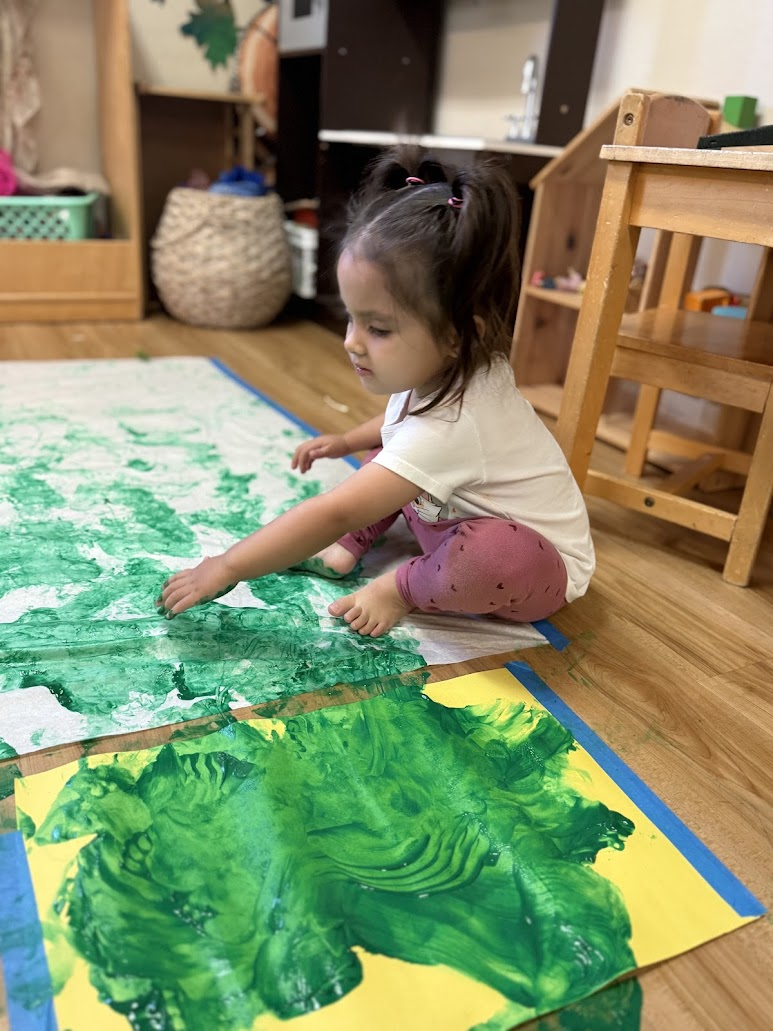
Playdough, sand, water, or mud
Painting or drawing with different textures
Jumping, climbing, dancing, or carrying heavy objects
Offer Calm, Responsive Support
Children actually borrow regulation from adults.
Model calming strategies
Offer choices and flexibility when possible
Use steady, respectful language during big moments
Keep Routines Predictable
Knowing what comes next helps children feel secure.
Simple daily routines
Visual schedules with pictures
Gentle reminders before transitions
Every Child Is Unique
Some children seek sensory input. Others avoid it. Many move between the two depending on the day, the environment, and how they are feeling.
By paying attention to what helps your child feel calm, focused, and happy, you begin to understand their individual sensory needs. When adults respond with curiosity rather than correction, children gain the tools they need to regulate themselves over time.
When we create sensory-supportive environments at school and at home, we help children feel safe in their bodies, confident in their world, and ready to learn.