

Two wonderful ways
to be four.
For children who turn four by September 1, WHPS offers something special: two thoughtfully designed pathways—Early Transitional Kindergarten (ETK) in our Preschool Division and Transitional Kindergarten (TK) in our Elementary Division.
Both typically lead to Kindergarten the following year, with purposeful academics, joyful discovery, and teachers who know children deeply. But four-year-olds do not all need the same kind of school day to flourish.
We invite families to explore each program’s opportunities, expectations, and daily rhythms. Together, we can choose the path that best supports each child’s growth.
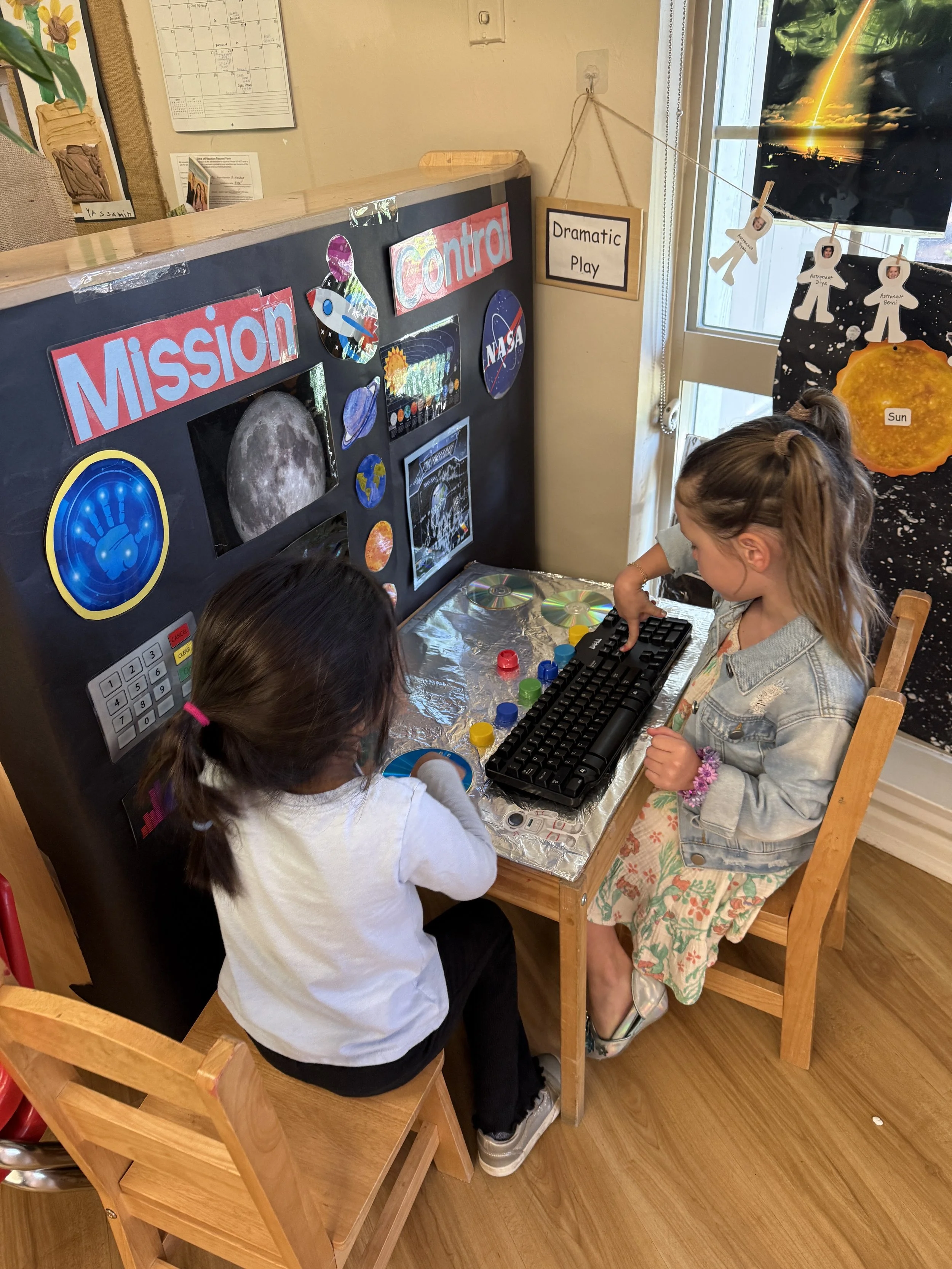
Early Transitional Kindergarten (ETK)
Imagine a classroom buzzing with purposeful discovery: children collaborating on imaginative projects, exploring inviting learning centers, and gathering in small groups for early literacy or Singapore Math Readiness. With familiar teachers, a nurturing community, and flexible attendance and day-length options, ETK helps children deepen academic understanding while building the stamina, self-regulation, and independence for Kindergarten.
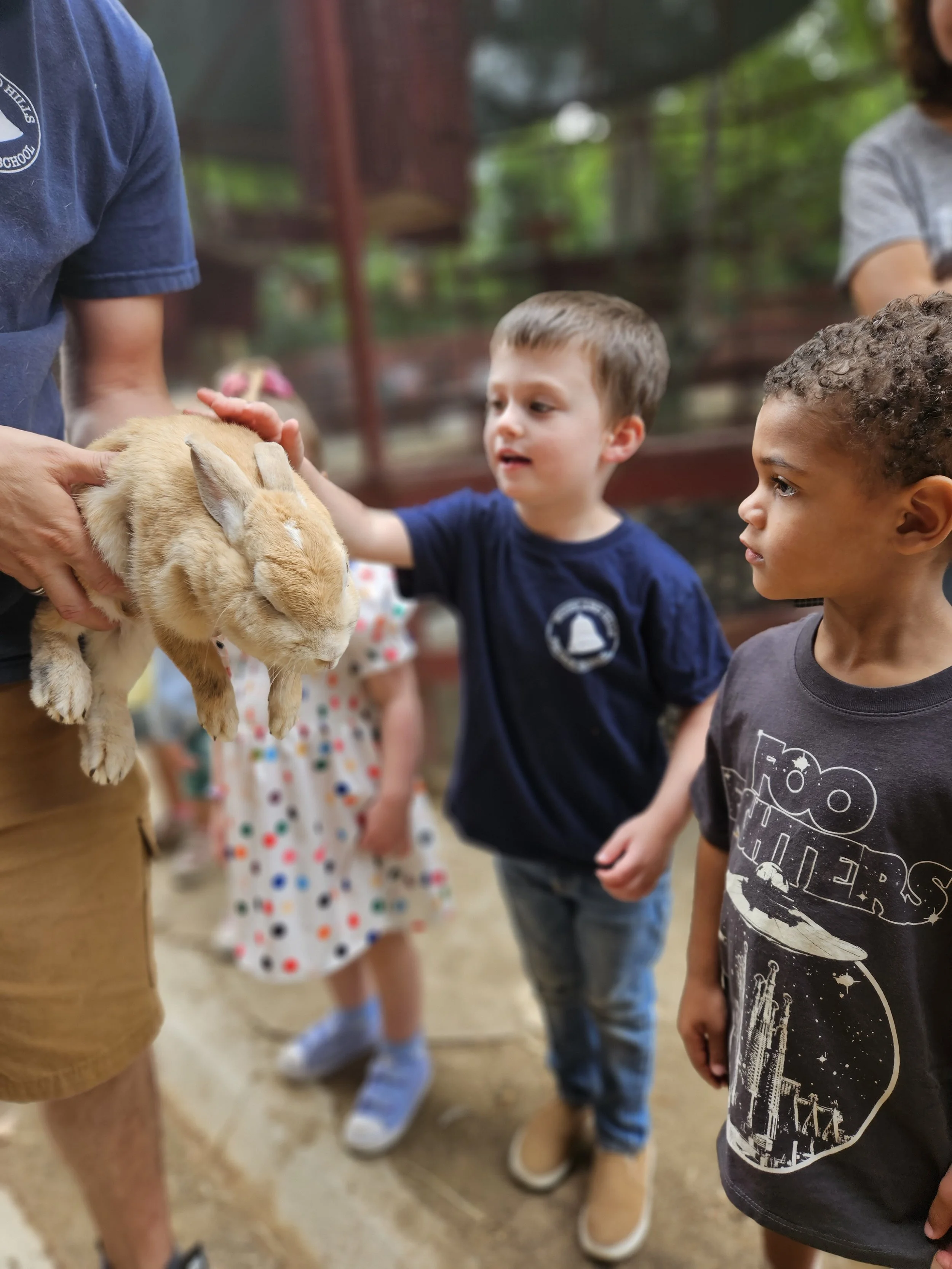
Transitional Kindergarten (TK)
Picture a lively elementary day: children gathering for reading and writing, reasoning through Singapore Math, collaborating on projects, and heading to specialist classes in technology, the arts, Spanish, P.E., music, and animal and nature studies. TK combines playful, purposeful academics with an 8:00 a.m.–3:00 p.m. schedule and the growing independence needed to navigate a vibrant, varied school day.
Two paths, thoughtfully compared.
Both pathways are rich in learning. The differences are in how the day unfolds—and what children are ready to manage independently.
| What to consider | Early TK (ETK)Preschool Division · Collins & Oxnard | Transitional Kindergarten (TK)Elementary Division · Oxnard |
|---|---|---|
| Daily schedule | 8:45 AM start. Choose three, four, or five days a week, with a half-day option ending at 1:00 PM or a full day ending at 3:00 PM. We recommend five days for continuity and a smooth Kindergarten transition. | 8:00 AM–3:00 PM, five days a week. A consistent elementary schedule gives children a full day of academic learning, specialist classes, and classroom routines. |
| Before & after school | Complimentary morning care beginning at 7:00 AM, with after-school classes and Extended Care available until 6:00 PM. | Complimentary morning care beginning at 7:00 AM, with after-school classes, sports, and Extended Care available until 6:00 PM. |
| Class size & teachers | Approximately 20 children with two full-time classroom teachers, supporting close relationships, responsive teaching, and small-group learning. | Approximately 20 children with two full-time classroom teachers, providing a consistent home base alongside the wider elementary specialist team. |
| Learning environment | Big discoveries in a familiar, supportive setting. Children spend most of their day with their classroom teachers, exploring purposeful play, sustained projects, thoughtfully designed learning centers, and personalized small-group instruction. A teacher might gather three or four children to explore a Singapore Math concept, strengthen early literacy, or investigate a project together, while classmates remain engaged in other meaningful learning experiences. | A dynamic elementary day with growing independence. Children experience a lively mix of whole-group lessons, small-group instruction, collaborative projects, independent activities, and specialist-led classes. At times, a class of approximately 20 children gathers on the rug with their materials for a lesson, then moves into partner activities, independent work, or smaller groups—practicing the organization and smooth transitions that make this richer daily rhythm possible. |
| Literacy & writing | Rich oral language, storytelling, sound and letter awareness, emergent reading, and handwriting foundations, including Learning Without Tears. | More formal foundational phonics and Reading & Writing Workshop, with opportunities to develop and share original writing, including publishing celebrations. |
| Mathematics | Singapore Math Readiness builds number sense, patterning, mathematical language, reasoning, and early problem-solving through concrete, hands-on exploration. | Singapore Math develops number relationships, reasoning, problem-solving, and mathematical communication through a carefully sequenced elementary approach. |
| Specialist experiences | A gradual introduction to two specialists: P.E. and Animal & Nature Studies at Oxnard, or P.E. and Music at Collins. Most instruction remains anchored in the preschool classroom. | Access to six specialist areas: Technology, P.E., Visual & Performing Arts, Music, Spanish, and Animal & Nature Studies. Specialist classes create more variety and more transitions throughout the day. |
| Arrival & independence | Families walk children to their preschool classroom and hand them off to a teacher. Independence grows within close, familiar classroom routines. | Children exit the car at drop-off and walk independently to class, practicing responsibility for their belongings, schedules, and movement through the elementary environment. |
| Social-emotional growth & family communication | Teachers nurture cooperation, emotional expression, self-help skills, confidence, and flexibility within a predictable preschool setting. Developmental goals are guided by our WHPS Preschool Learning Objectives. Families receive two progress reports each year, with parent–teacher conferences available as needed. | Children continue developing these skills while managing a longer day, multiple adults, transitions, and greater responsibility for themselves and their learning. Growth is supported by social-emotional learning progressions. Two student-led conferences each year bring children, families, and teachers together to reflect on progress and set goals, including social-emotional goals. Families also receive three report cards annually. |
| Field trips | Field trips are supported by family drivers, extending the preschool's close home–school partnership. | Classes typically travel on buses, reflecting the routines and group experiences of the Elementary Division. |
| Campus & community | Available at Collins and Oxnard, allowing children to remain in a preschool community and environment that may already feel like home. | Based at Oxnard, where children become part of the Elementary Division and its broader learning spaces and community. |
| Kindergarten pathway | Two routes to the same next step. Children in both programs typically move into Kindergarten the following year; the question is which experience best prepares them for that transition. Children in TK automatically matriculate into Kindergarten the following year. Children in ETK receive priority for a Kindergarten space when families apply by the December priority application deadline. | |
Program schedules and offerings may be updated. Our admissions team can confirm current details and help you explore the best fit.
We take children's learning seriously without asking them to stop being children.
What does your child need to thrive next?
Academic ability is only one part of the decision. Many four-year-olds are still developing the stamina for an 8:00 a.m.–3:00 p.m. day, the flexibility to move among six specialist-taught programs, and the independence to walk to class and manage their belongings.
Both programs build these skills. ETK offers more continuity and flexibility as they develop. TK offers a lively, developmentally attuned elementary day with greater expectations for independence.
What our Admissions Team looks at
Placement recommendations consider the whole child, including:
- Independence: Separation at arrival, managing belongings, and everyday routines.
- Transitions: Moving comfortably among teachers, activities, and learning spaces.
- Stamina & self-regulation: Participating in groups, managing frustration, and sustaining engagement throughout the day.
- Social confidence: Collaborating, communicating needs, and navigating friendships.
- Academic development: Curiosity, current skills, and the right balance of challenge and support.
Choosing ETK does not mean missing out on Elementary. It means choosing the pathway that best helps your child build a strong foundation. When children have that foundation in place, they're ready to embrace the full range of opportunities ahead—and that's when we see their potential really take flight.
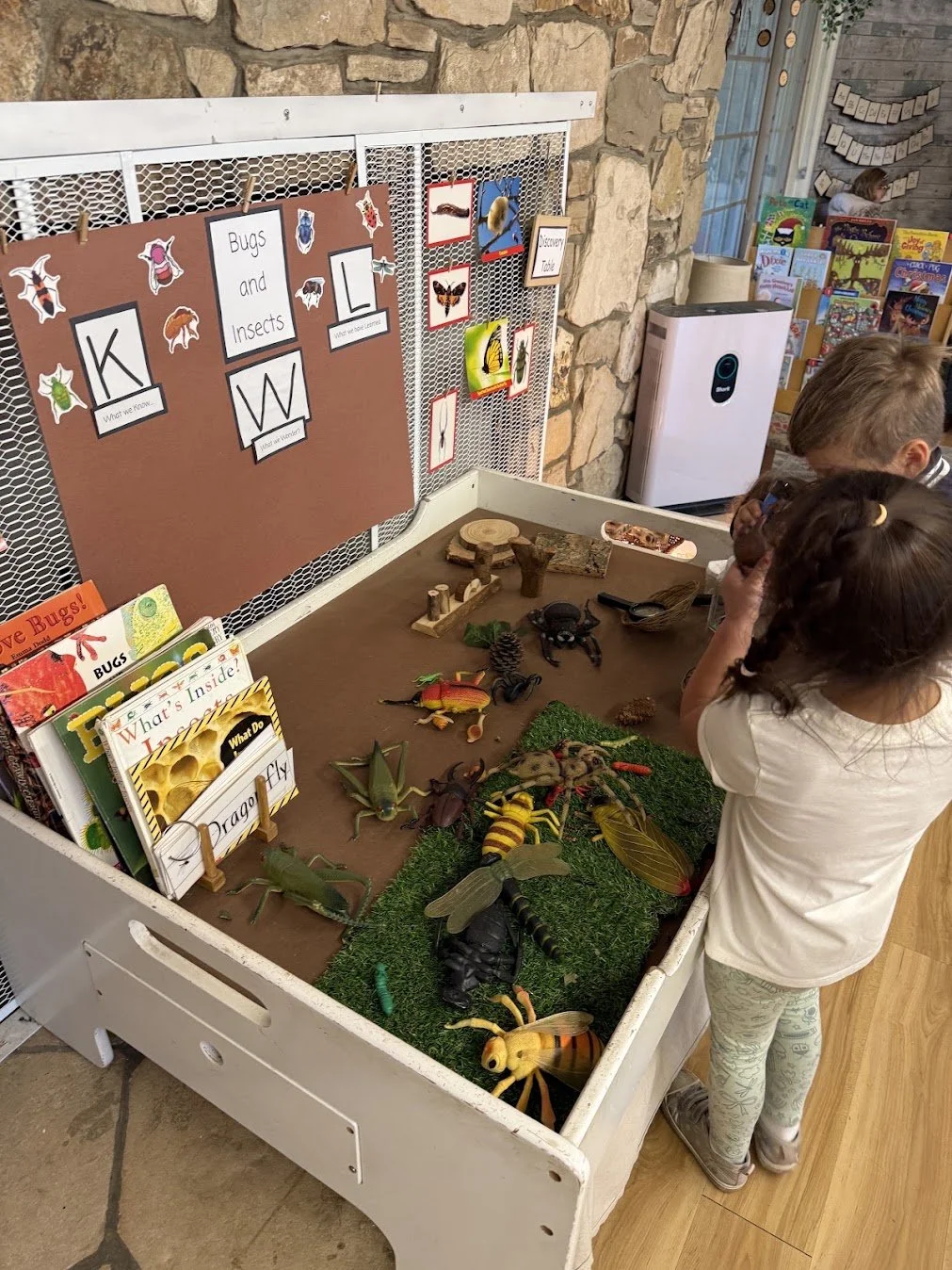
Your child's teachers and preschool directors are a wonderful place to start. Because they know your child, they can often help you think through ETK and TK even before you apply.
When you apply for Elementary TK, our admissions team conducts a developmental assessment during the school day and may also observe your child in the classroom. Drawing on the assessment, teacher input, and observations, the team makes a final placement recommendation.
December 4, 2026: Elementary TK priority application deadline.
January 22, 2027: Registration deadline for both ETK and TK, before remaining spaces are offered to outside applicants.
Explore our Preschool Program, Elementary Program, and Learning Progressions.