

Finding Their Voice: Why Self-Advocacy Matters in the Preschool Years
Have you ever heard your preschooler say, “I need space,” “I don't like that,” or “Please stop”? When we're working so hard to teach children to listen, follow directions, and be kind, hearing them push back can catch us off guard.
But imagine hearing those same words on the playground. Another child is bothering your child, and instead of immediately looking for an adult, your child confidently says, “I don't like that. Please stop.”
That's something worth celebrating. Your child is learning to find their voice.
The preschool years are when children begin learning to express their needs, set boundaries, navigate friendships, and recognize that other people's feelings matter, too. These aren't just social skills. They're the beginnings of confidence, independence, and self-advocacy.
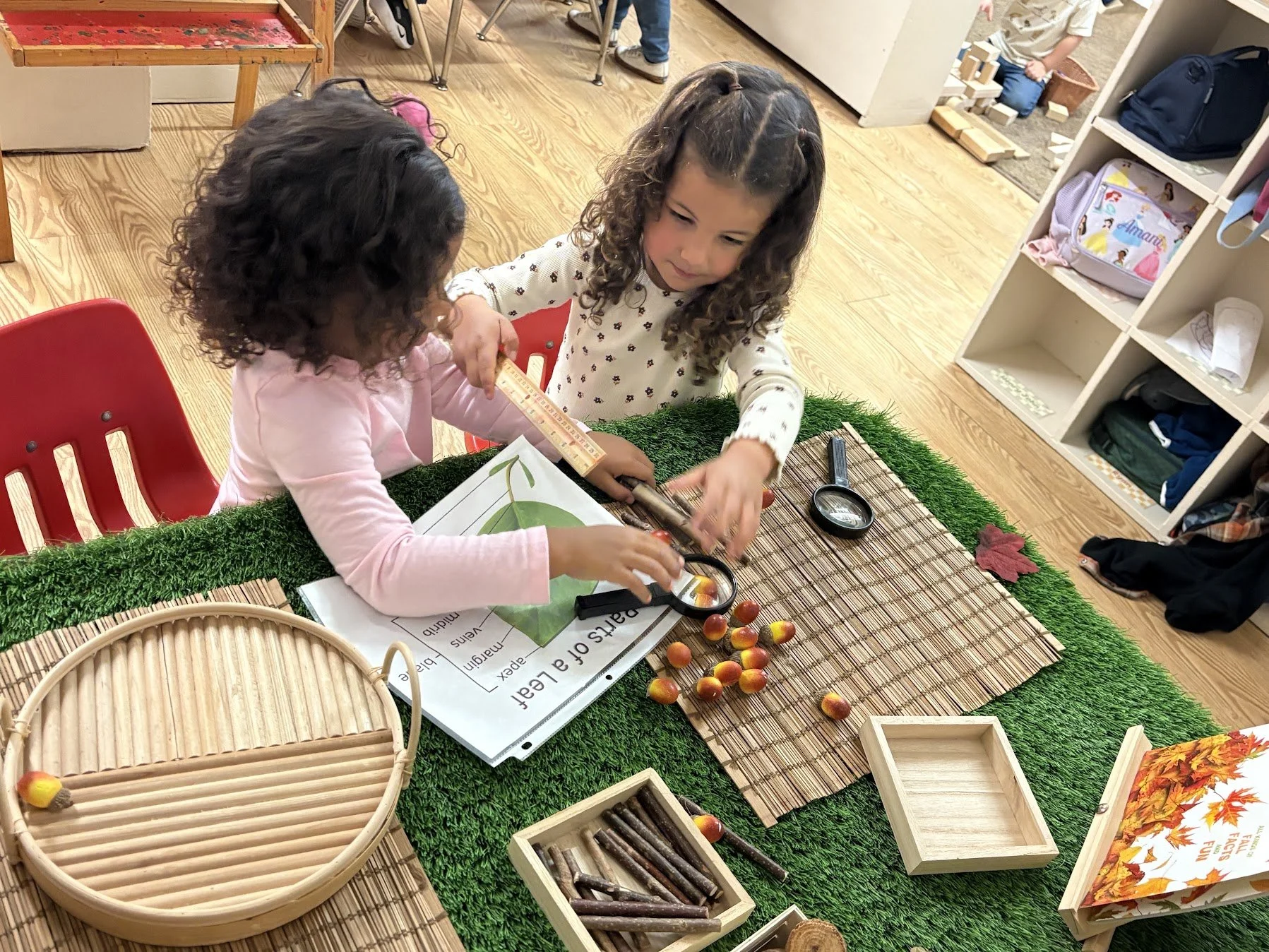
Learning That Their Voice Matters
For young children, self-advocacy might mean asking for a turn, choosing a different game, telling a friend something makes them uncomfortable, or asking for space. These everyday interactions help children understand that their thoughts, feelings, and needs deserve to be heard.
Self-advocacy also doesn't mean always getting your way. Children are learning that other people have feelings, preferences, and boundaries, too. Listening to adults and speaking up for themselves aren't opposing goals. Both matter.
The Playground Is a Classroom, Too
Some of the most important lessons happen during play. Children learn to share, negotiate, take turns, compromise, and sometimes disagree. A difference over a toy or how to play a game isn't necessarily a problem to eliminate. With thoughtful guidance, it becomes an opportunity to practice communication, empathy, and problem-solving.
Of course, knowing the words and finding them in a frustrating moment are two different things. Preschoolers are still learning to manage big emotions. They need practice, encouragement, and sometimes an adult to help them pause and try again.
At WHPS, teachers model language and coach children through everyday interactions without automatically solving every small disagreement for them. As children practice, they gain confidence in navigating more of these moments independently. And when something feels overwhelming, uncomfortable, or unsafe, knowing when to ask for adult help is just as important.
Helping Children Find Their Voice at Home
Small, everyday interactions offer opportunities to practice these skills.
Make room for their opinions. Offer age-appropriate choices and let children express preferences, even when they're different from yours.
Listen without always changing the answer. “I hear that you're disappointed” can be true even when the answer is still no.
Model and practice respectful words. Let children hear you set appropriate boundaries. Role-play what they might say when a friend takes a toy or interrupts their play.
Give them a chance to problem-solve. Try asking, “What could you say?” or “What else could you try?” while reminding them that asking for help is always okay.
Growing Into Their Own Voices
Our goal isn't to raise children who never disagree or always know exactly what to say. It's to help them feel secure enough to express themselves, confident enough to communicate their needs, and compassionate enough to consider others.
This work is woven into the WHPS preschool experience and our BEAR values. As children learn that everyone belongs, practice communication and empathy, and develop responsibility and independence, they're building skills that reach well beyond preschool.