

Have you ever asked your child to clean their room, start their homework, or get ready for bed, only to find them doing everything except what you asked?
Intellectual ability and everyday independence don't always develop at the same pace, particularly in some gifted learners. A child may grasp sophisticated concepts yet struggle with organization, flexibility, or knowing where to begin. What looks like procrastination may be a skill still developing.
Think about the simple request, “Clean your room.” To a child, that actually involves quite a few steps: picking up clothes, putting away toys, organizing belongings, throwing away trash, and making the bed. For some children, especially those who struggle with executive functioning skills, figuring out where to start can feel overwhelming.
5 Simple Strategies to Try at Home
Small changes in how we give directions can make a big difference.
1 Break It Down
Instead of saying, “Clean your room,” start with one manageable task, such as “Put all your clothes in the laundry basket.”
Breaking a large task into a clear first step makes it feel achievable without doing the task for them.
2 Be Specific
Replace broad instructions like “Do your homework” with something concrete, such as “Complete the first five math problems” or “Read for 10 minutes.”
Clear expectations reduce the amount of figuring out a child has to do before they can begin.
3 Make It Fun
Turn everyday tasks into a game. Ask your child how long they think something will take, set a timer, and see if they can beat the clock.
A little playfulness can make an ordinary task feel more manageable while still keeping the expectation clear.
4 Make the Steps Visible
Create a simple checklist or use pictures to show what needs to happen first, next, and last.
Visual reminders help children stay on track and experience the satisfaction of checking things off themselves.
5 Encourage Imperfect Starts
Remind your child that they don't have to do everything perfectly. Sometimes the hardest part is simply beginning.
Try setting a timer for 10 minutes and celebrating the effort to get started rather than waiting for the whole task to be finished.
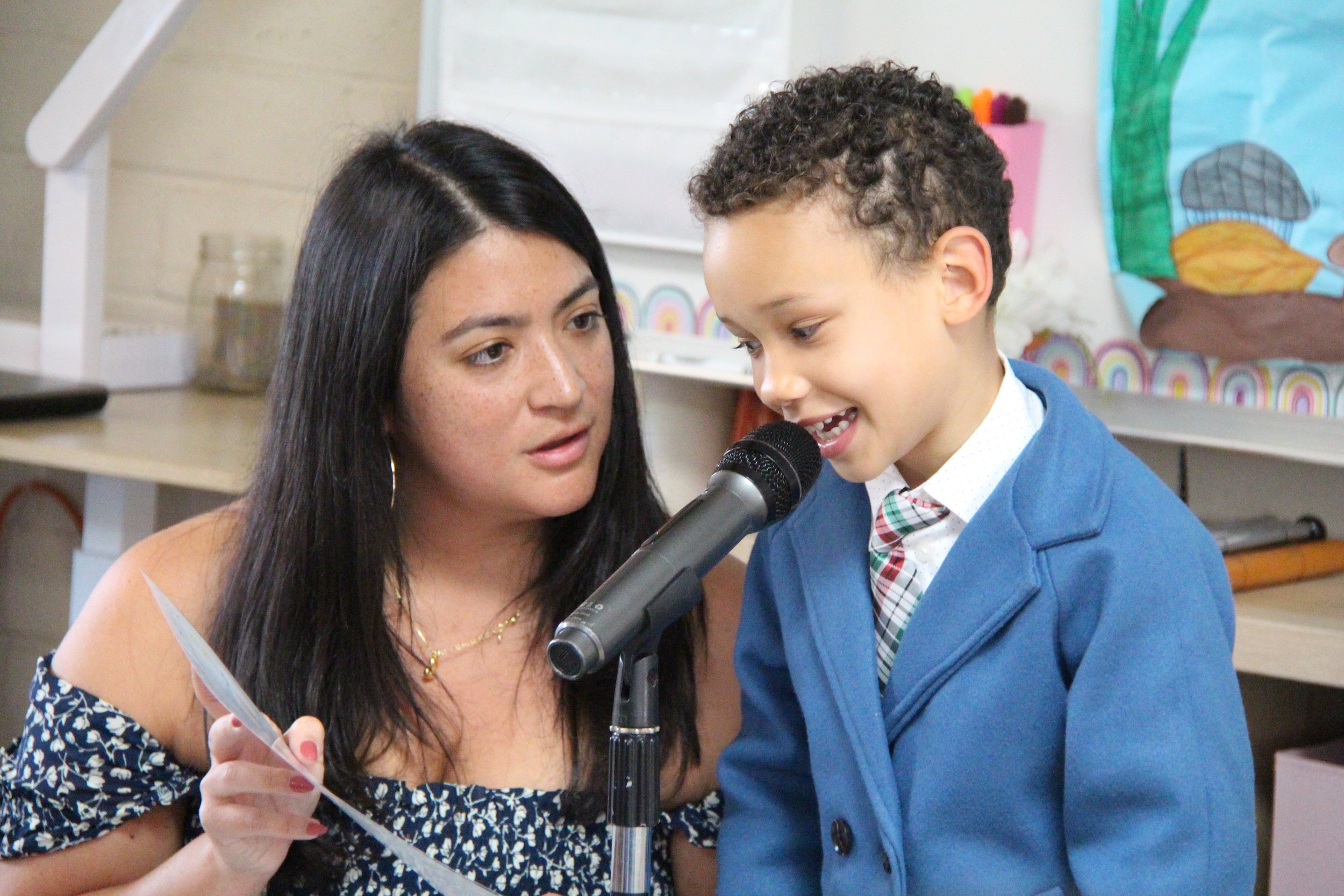
How We Support These Skills at WHPS
At WHPS, helping children develop independence, confidence, and executive functioning skills is part of our everyday learning. Teachers intentionally create predictable routines, model expectations, and provide clear, manageable directions. These are skills that need to be explicitly taught, practiced, and reinforced.
Children know what is expected and can focus on meeting the expectation rather than figuring out what adults want.
Teachers demonstrate routines and strategies, then give children opportunities to practice them.
Support is adjusted as children develop the ability to manage routines, solve problems, and take greater ownership.
Our goal isn't to make every child independent on the same schedule. It's to provide the right balance of academic challenge and developmental support, recognizing that children need both intellectual skills and growing independence to engage fully in learning and reach their potential.
A Little Support Can Go a Long Way
Developing independence, organization, and task initiation takes time. At home, that might mean resisting the temptation to repeat a direction five times or immediately step in when your child gets stuck.
School is a group environment. Children are expected to manage routines, listen to directions, transition between activities, and participate alongside their classmates. When those expectations are practiced consistently at home, children arrive with more of those skills already available to them.
Try one small question:
Sometimes the most helpful thing we can give a child isn't another explanation. Cynthia Baroudi, our Dean of Students, often reminds us that good scaffolding gives children enough support to succeed without doing the thinking for them.
Instead of giving your child the answer, “Put your shoes on,” invite them to retrieve it for themselves: “What’s the first thing you need to do?”
And when the answer is simply “First, put on my shoes,” that's enough. The expectation stays clear; the child gets a chance to do the thinking.
That small shift from telling to prompting helps children practice the very independence we're trying to build.
