

Learning to See History in Full
Black History Month at 100 and the Power of Perspective
This February marks an important milestone: the 100th anniversary of Black History Month. What began in 1926 as an effort to ensure Black history was taught in schools has grown into a broader opportunity to reflect not only on what we teach, but how we teach it.
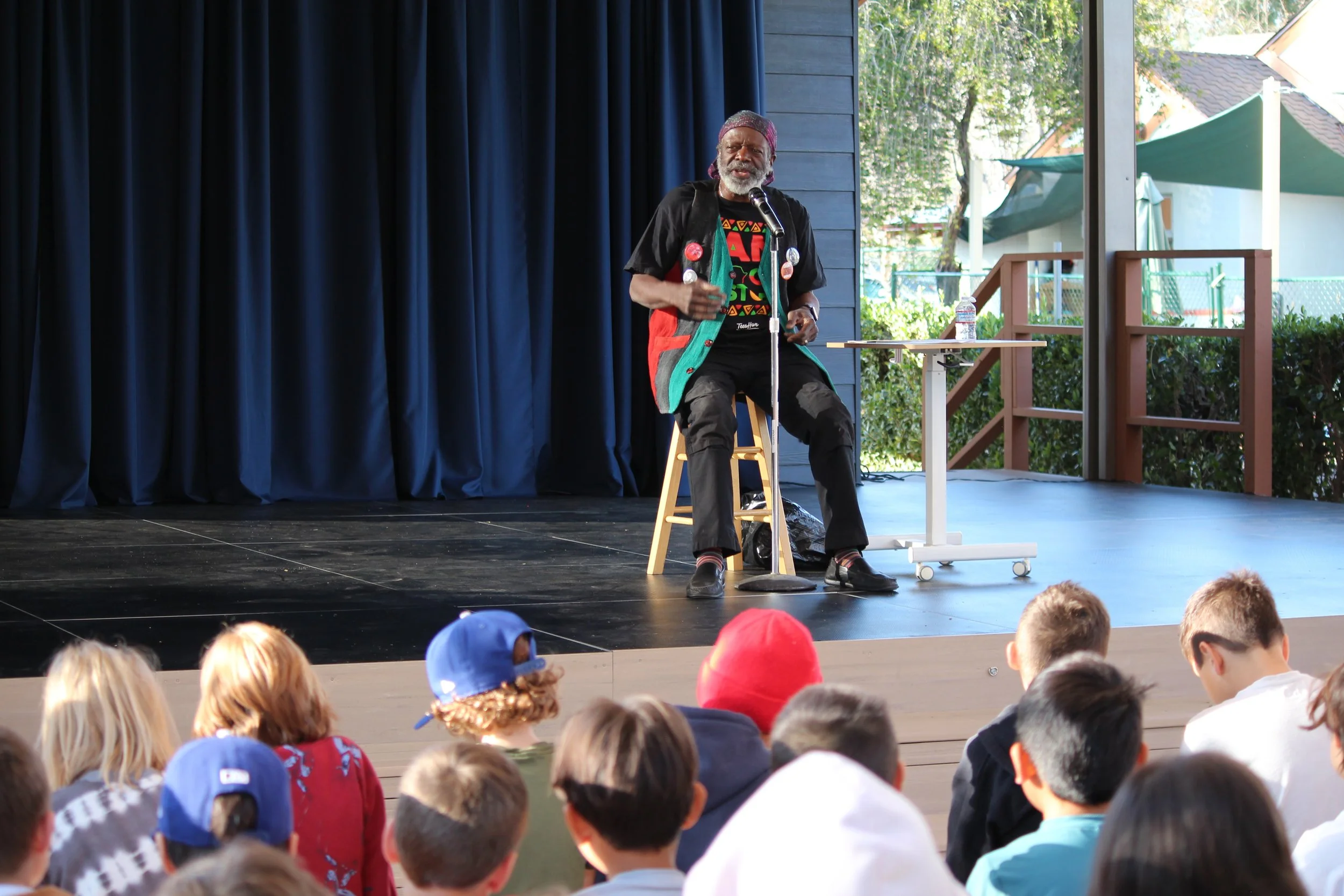
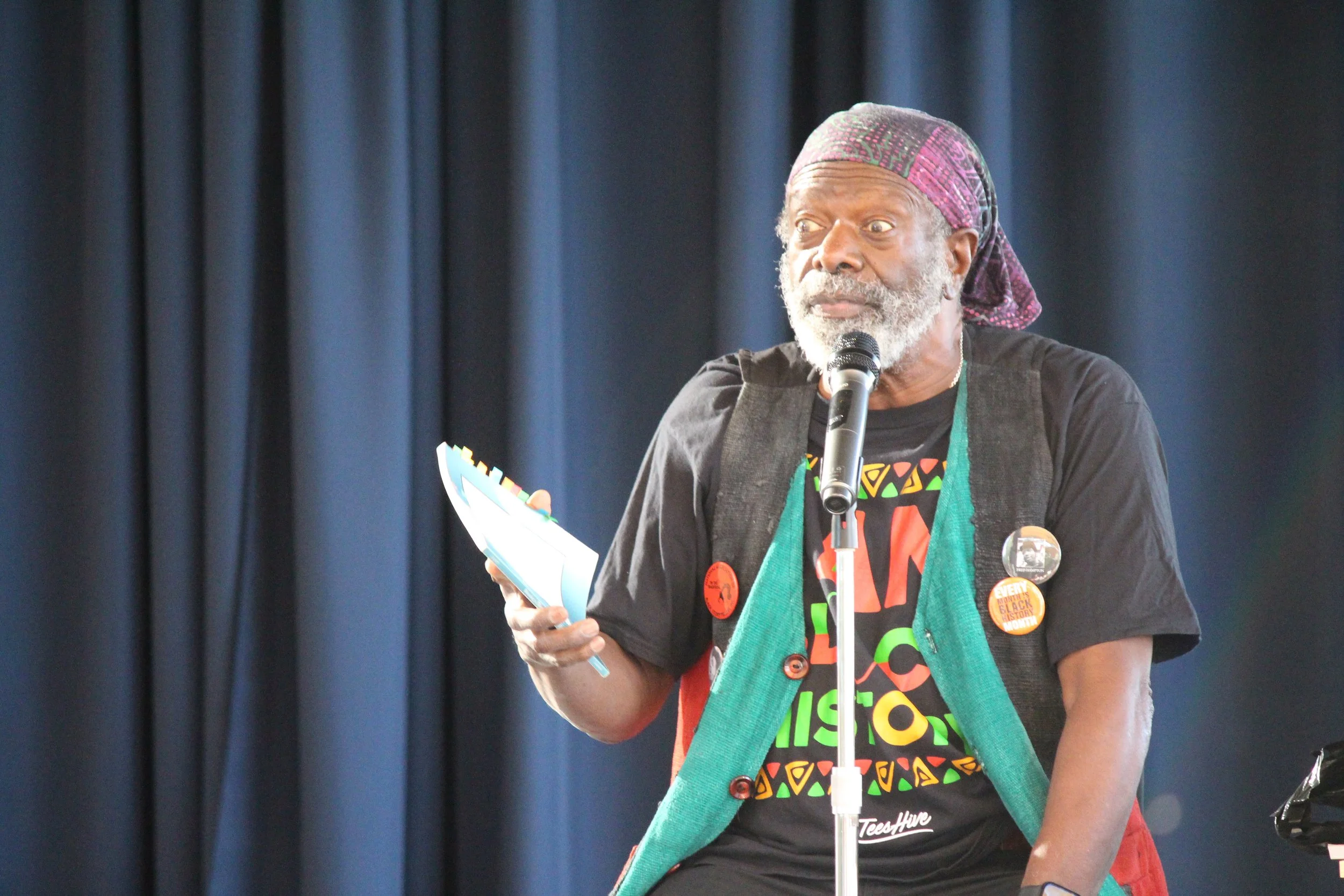
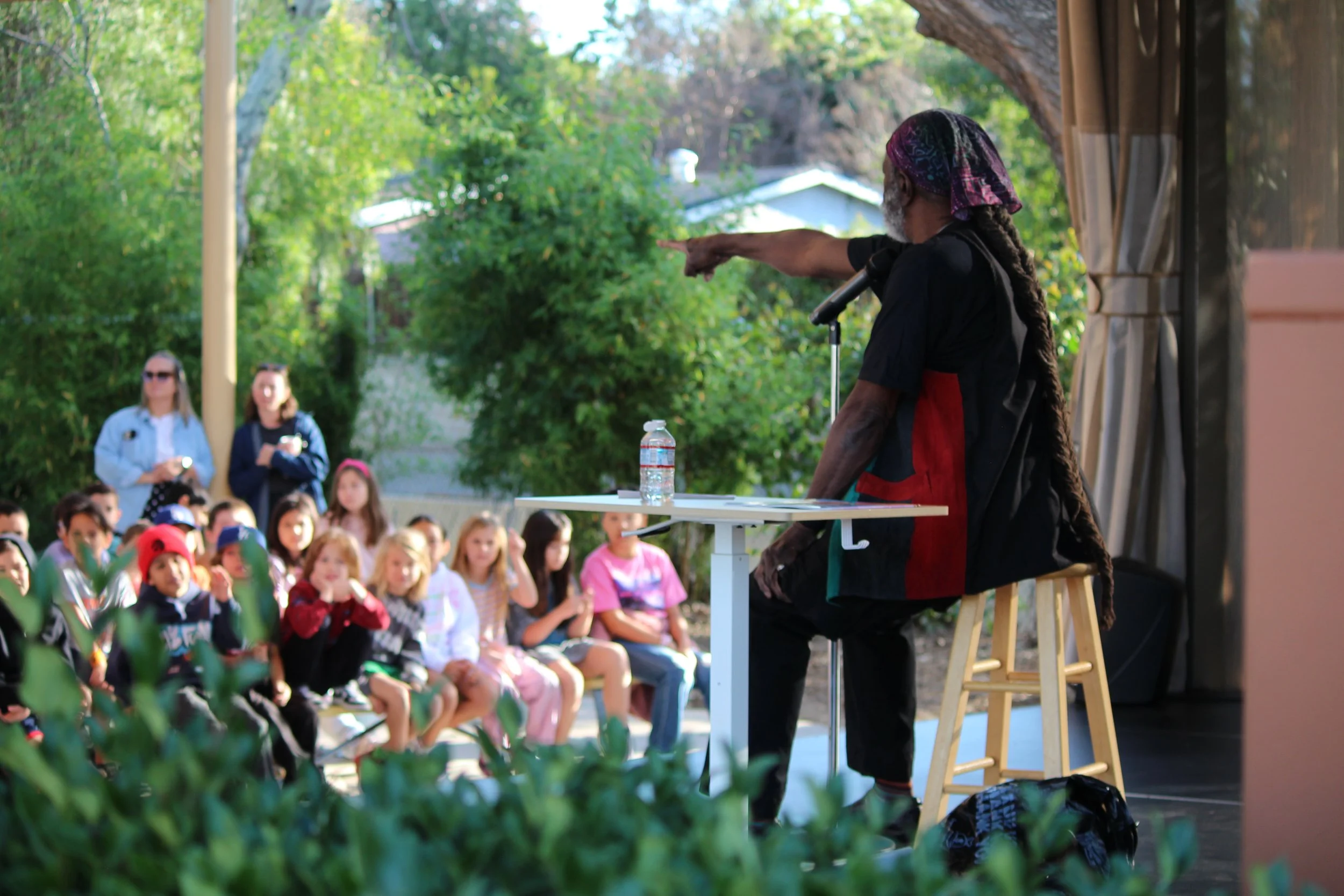
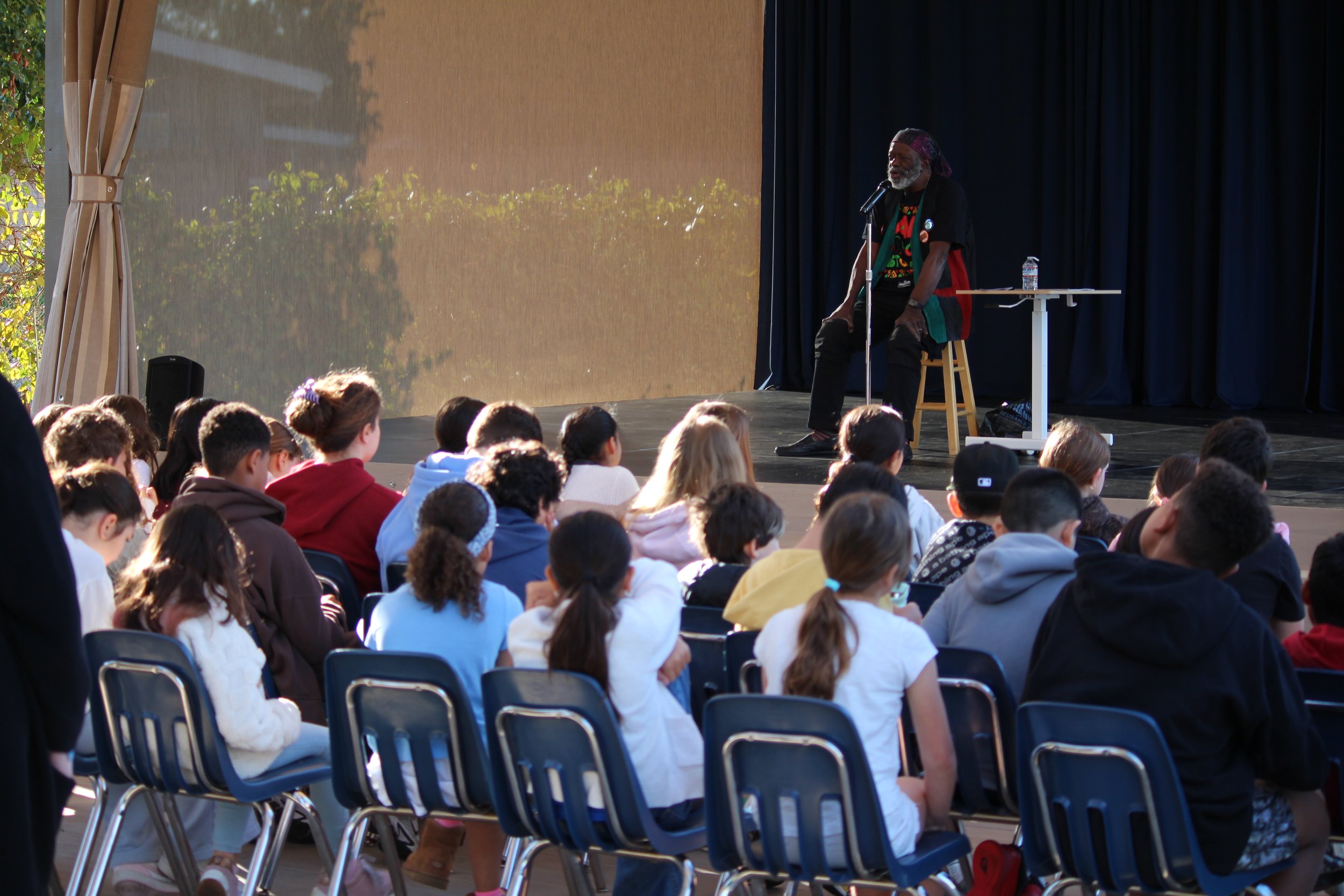
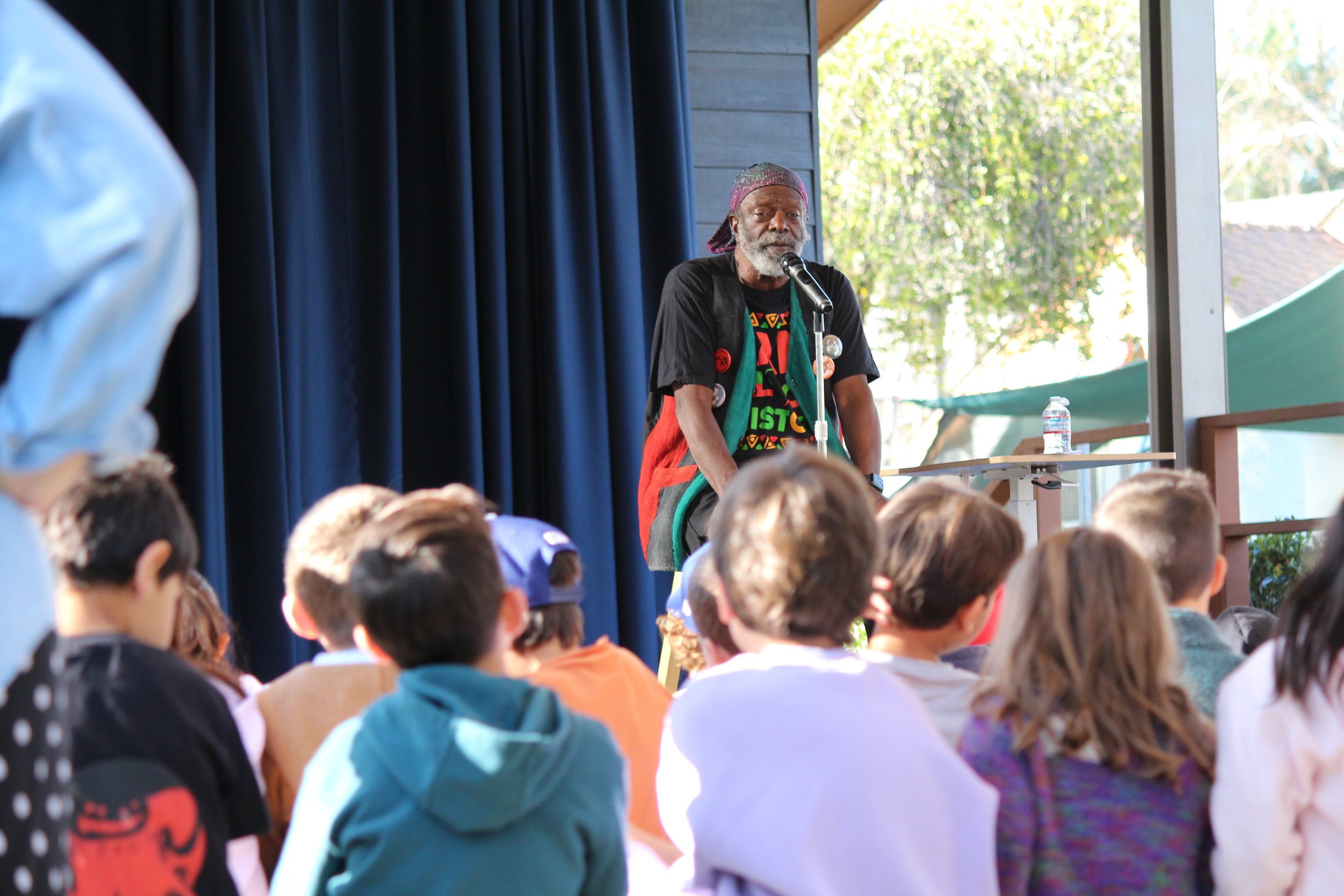
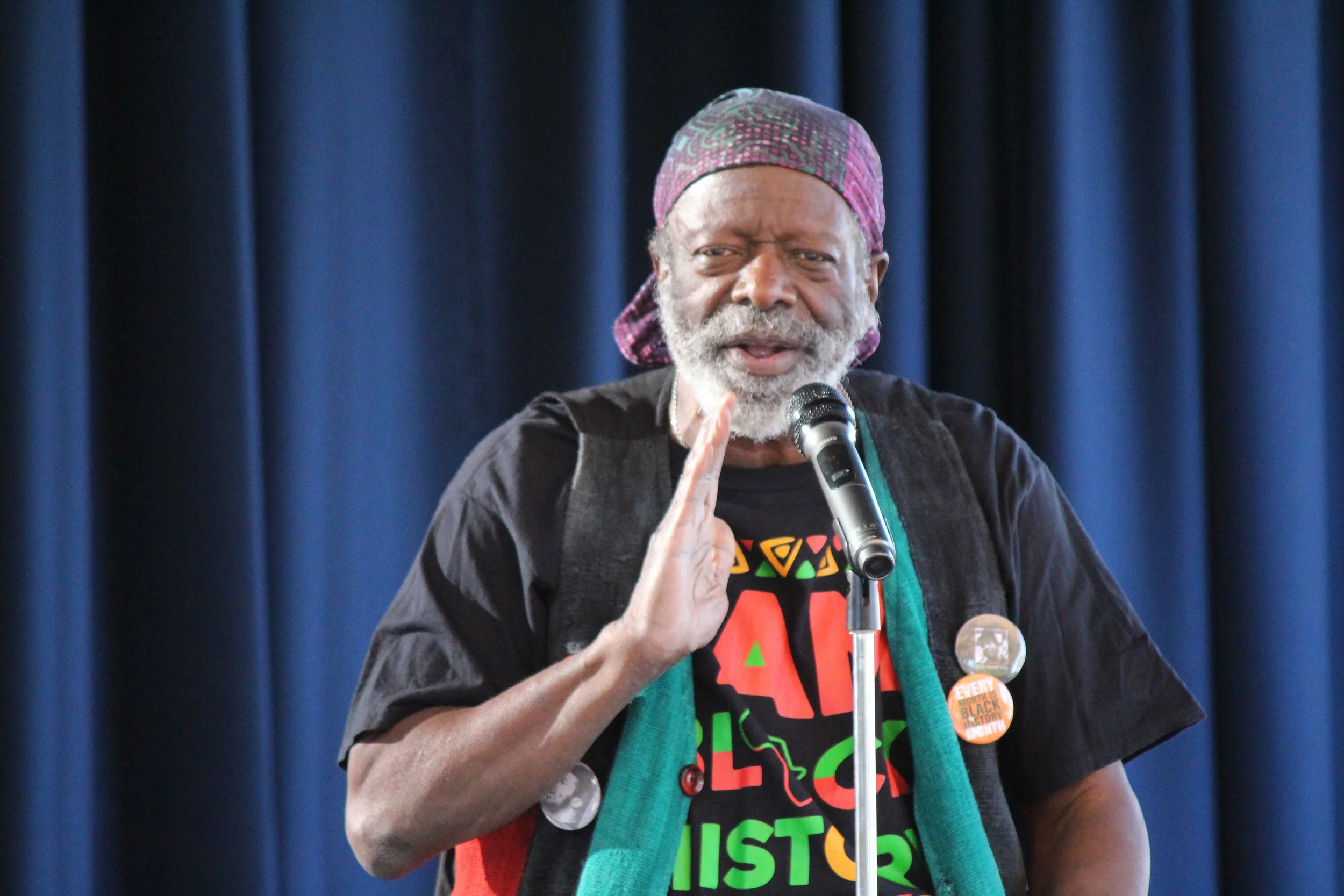
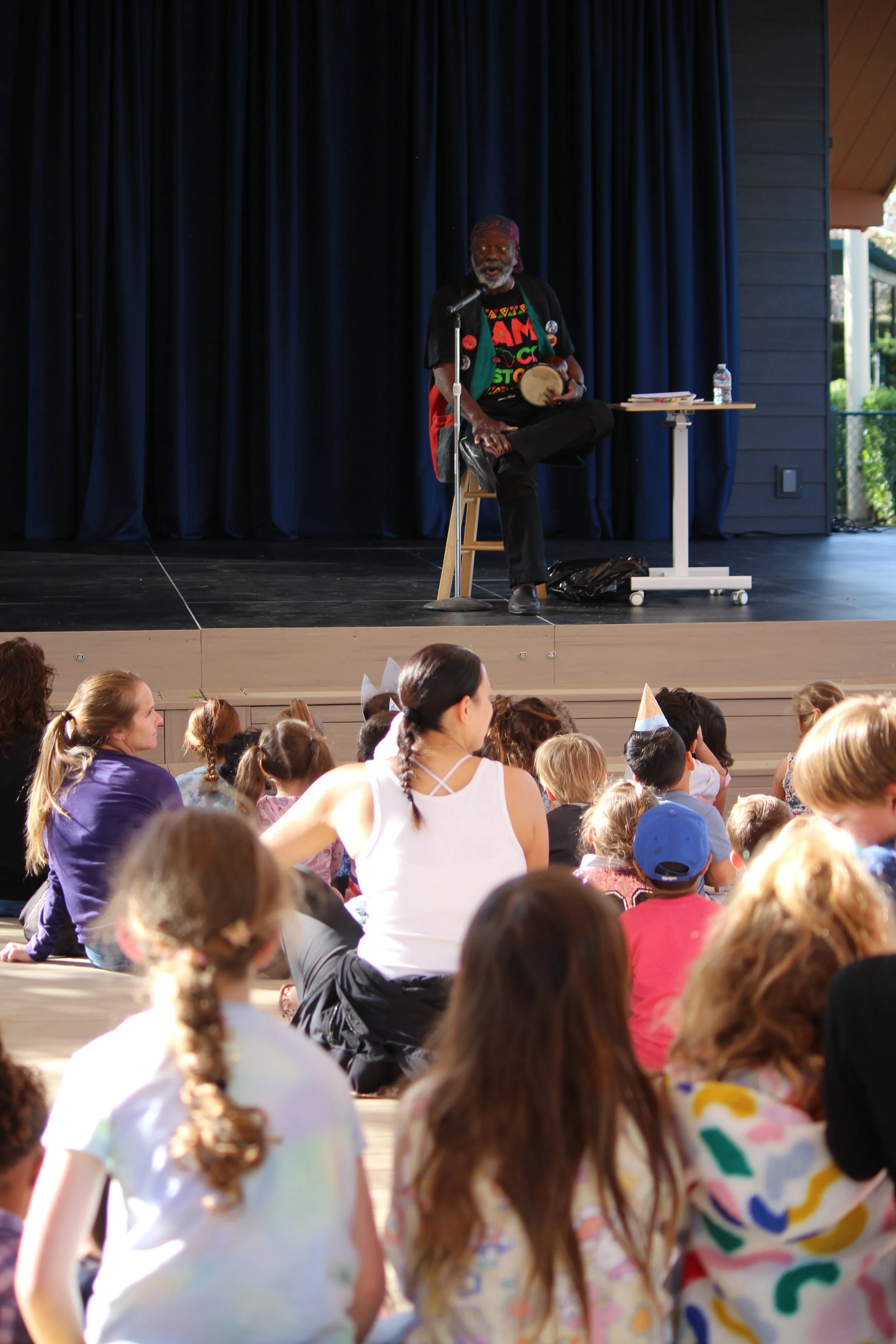
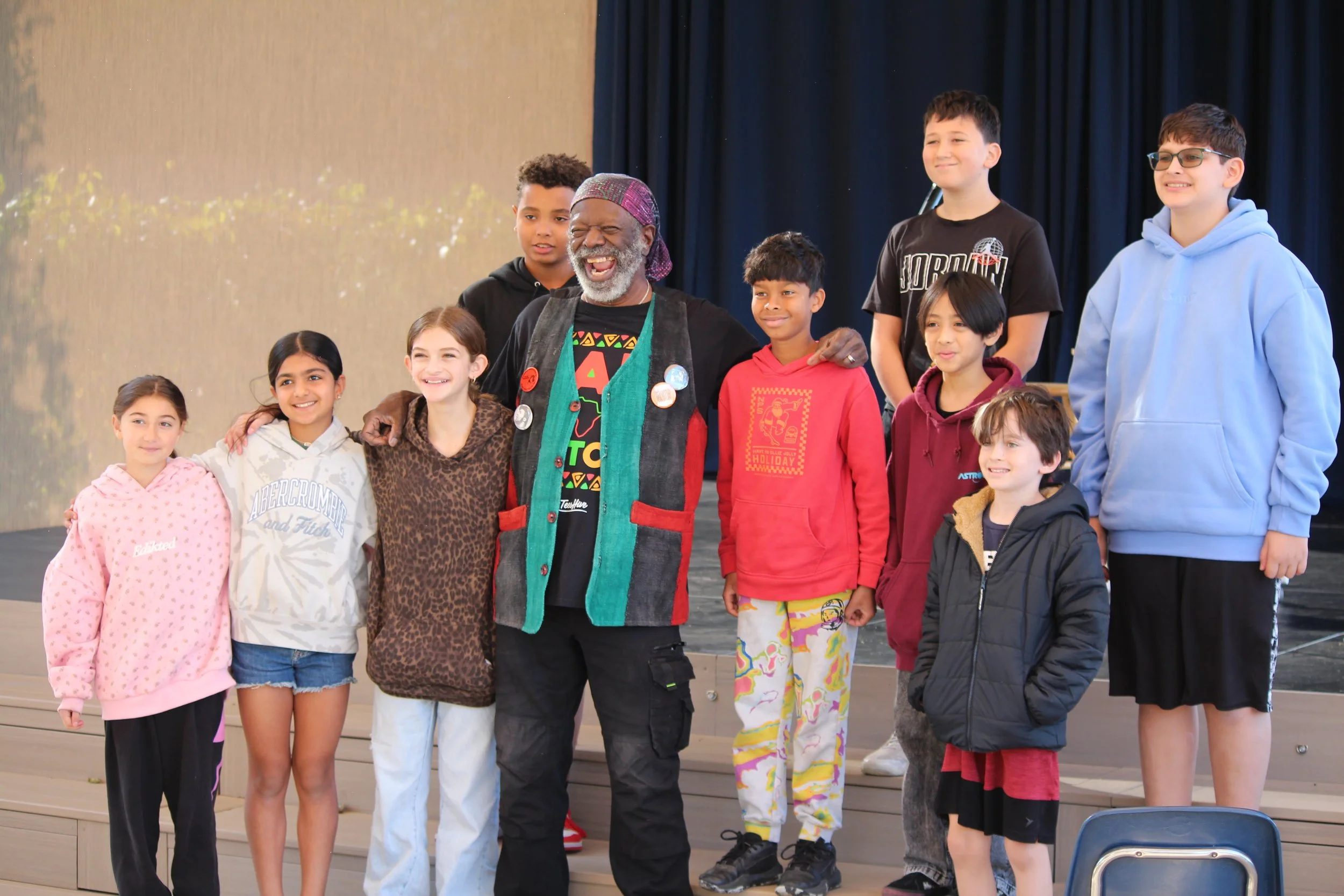
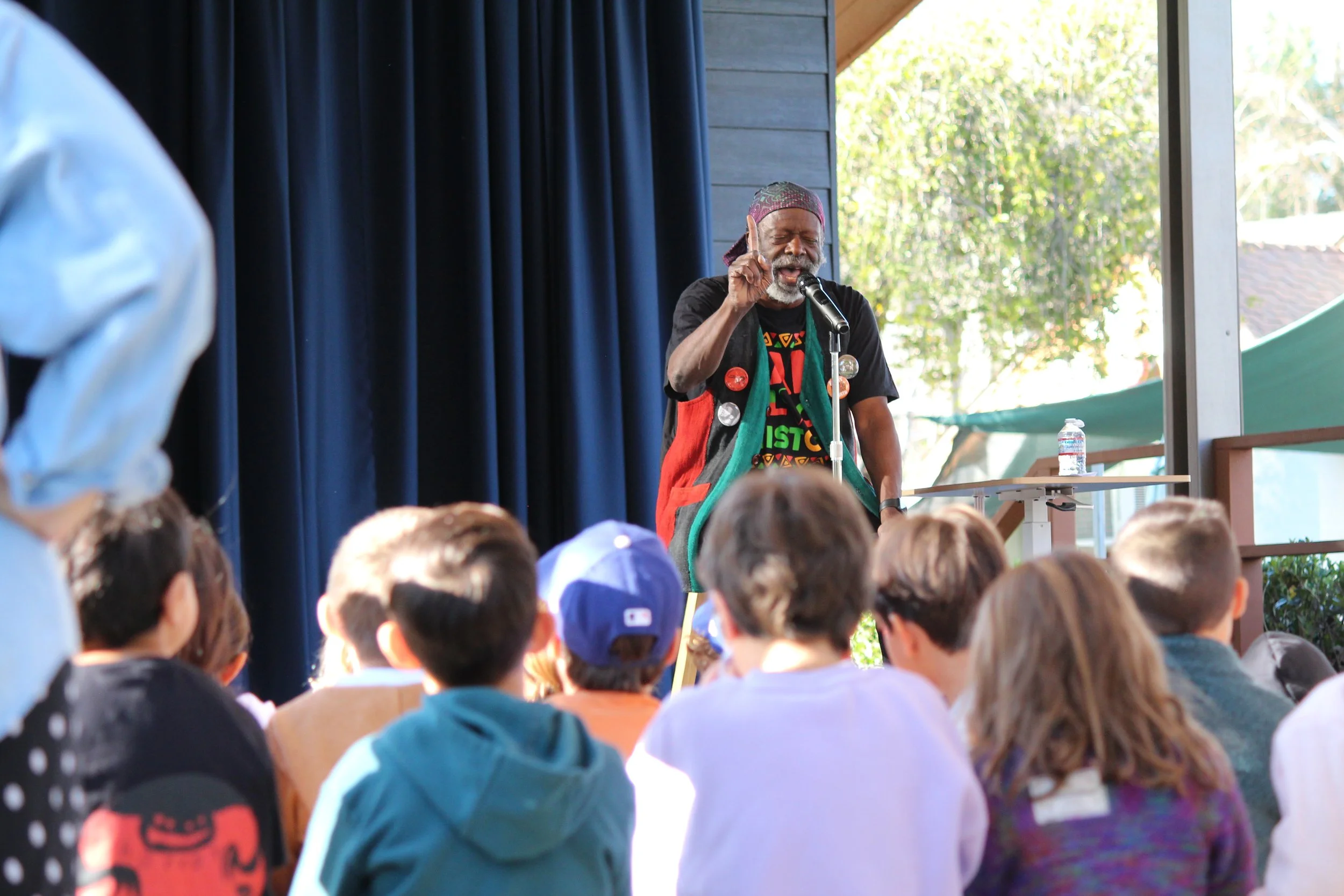
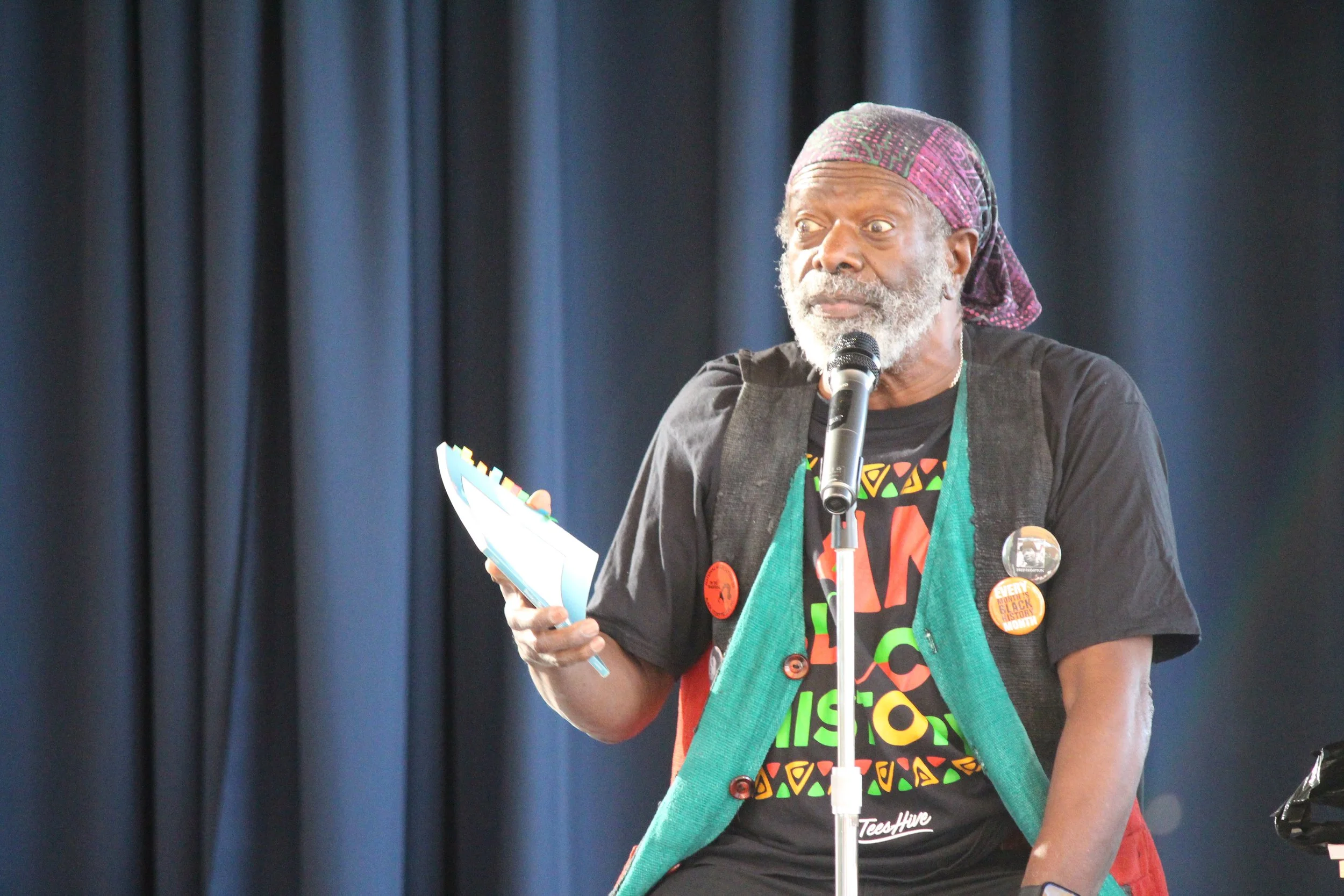
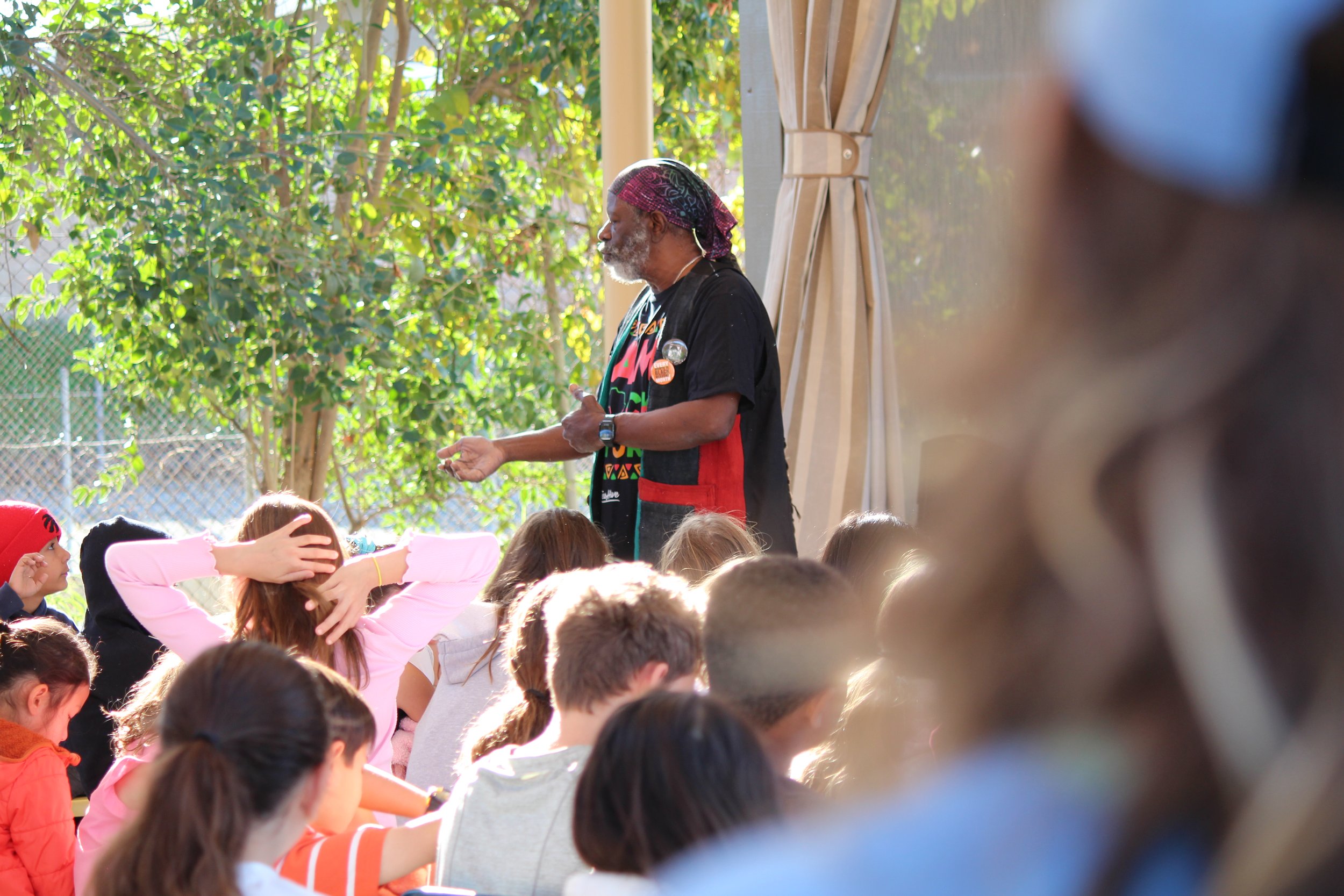
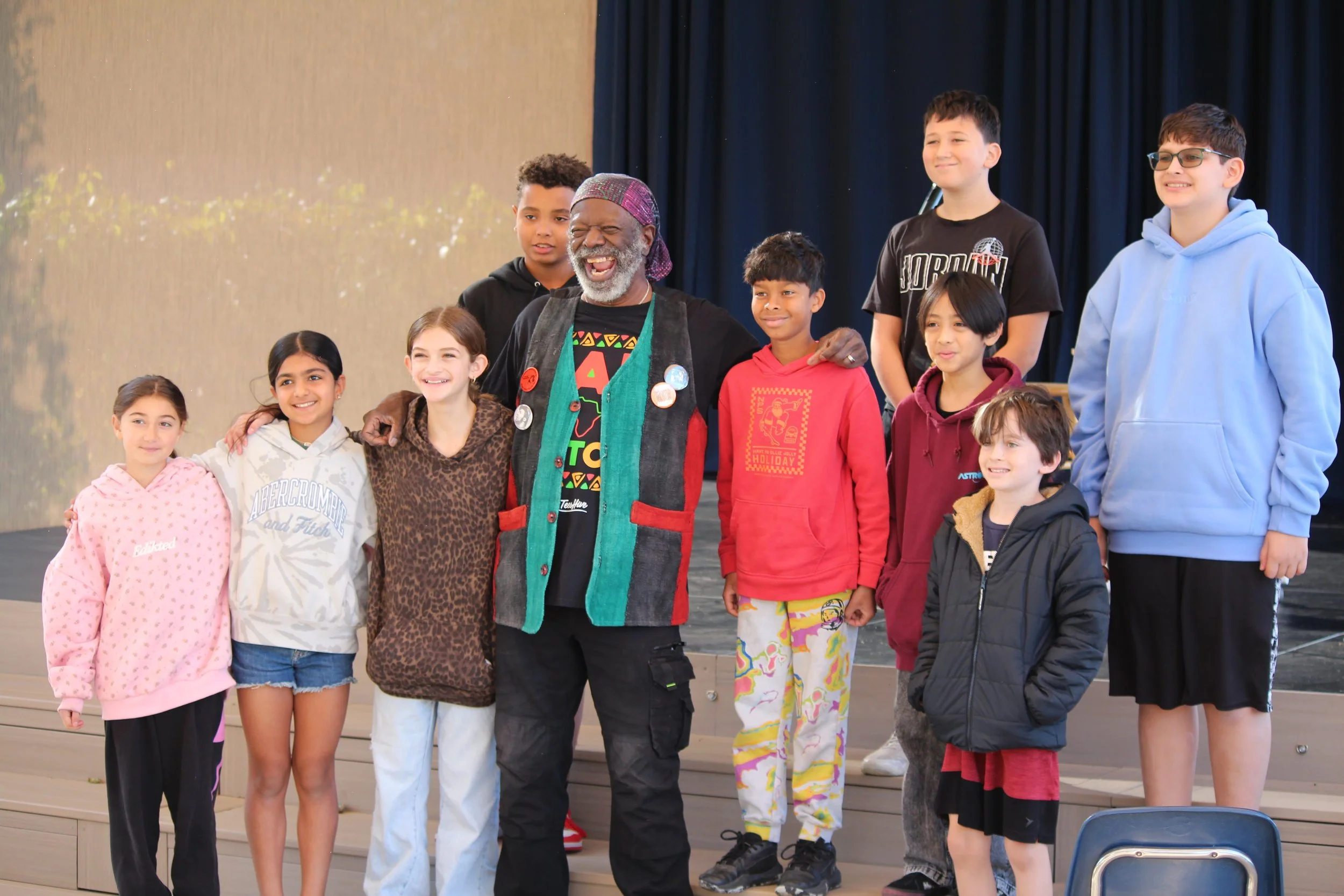
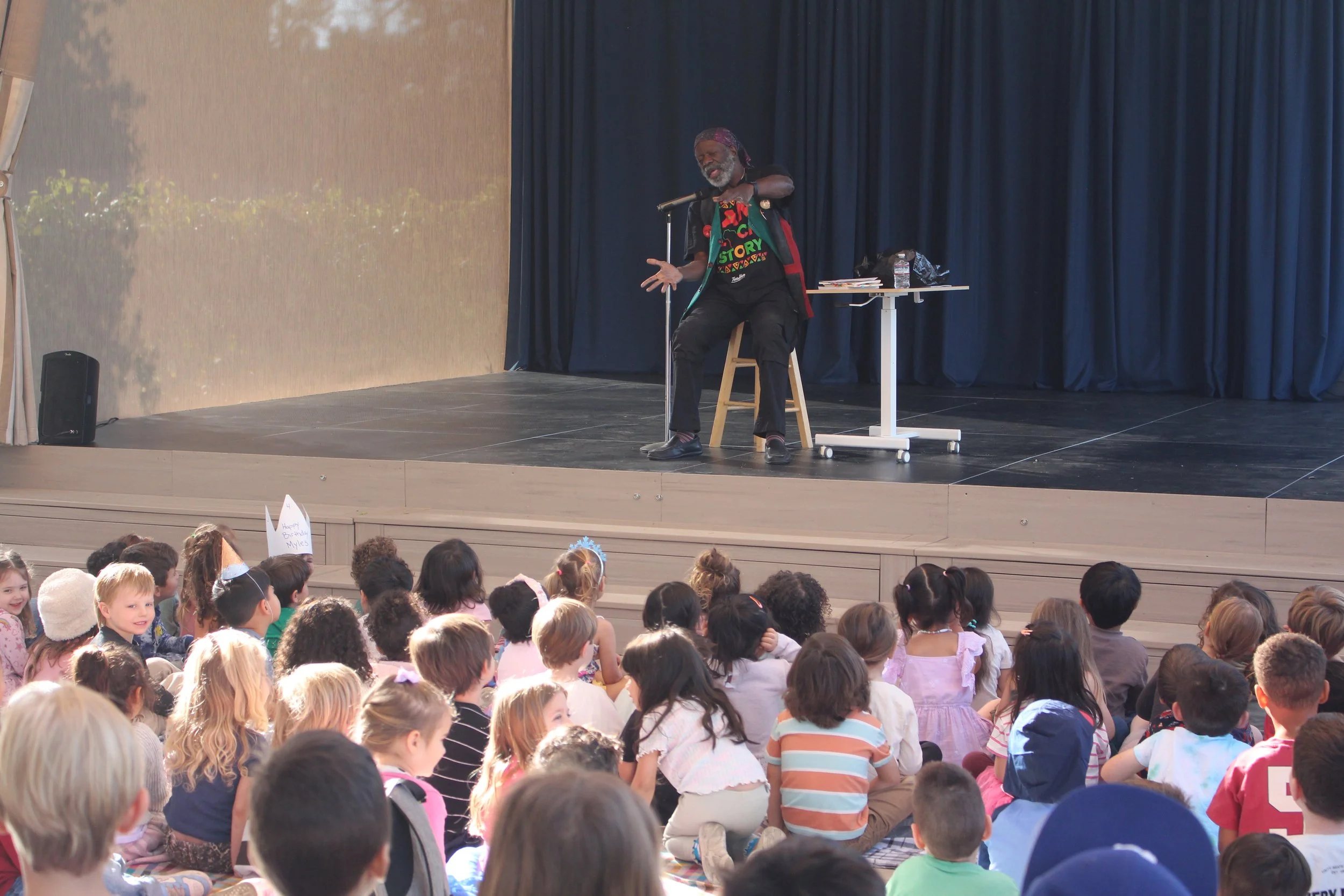
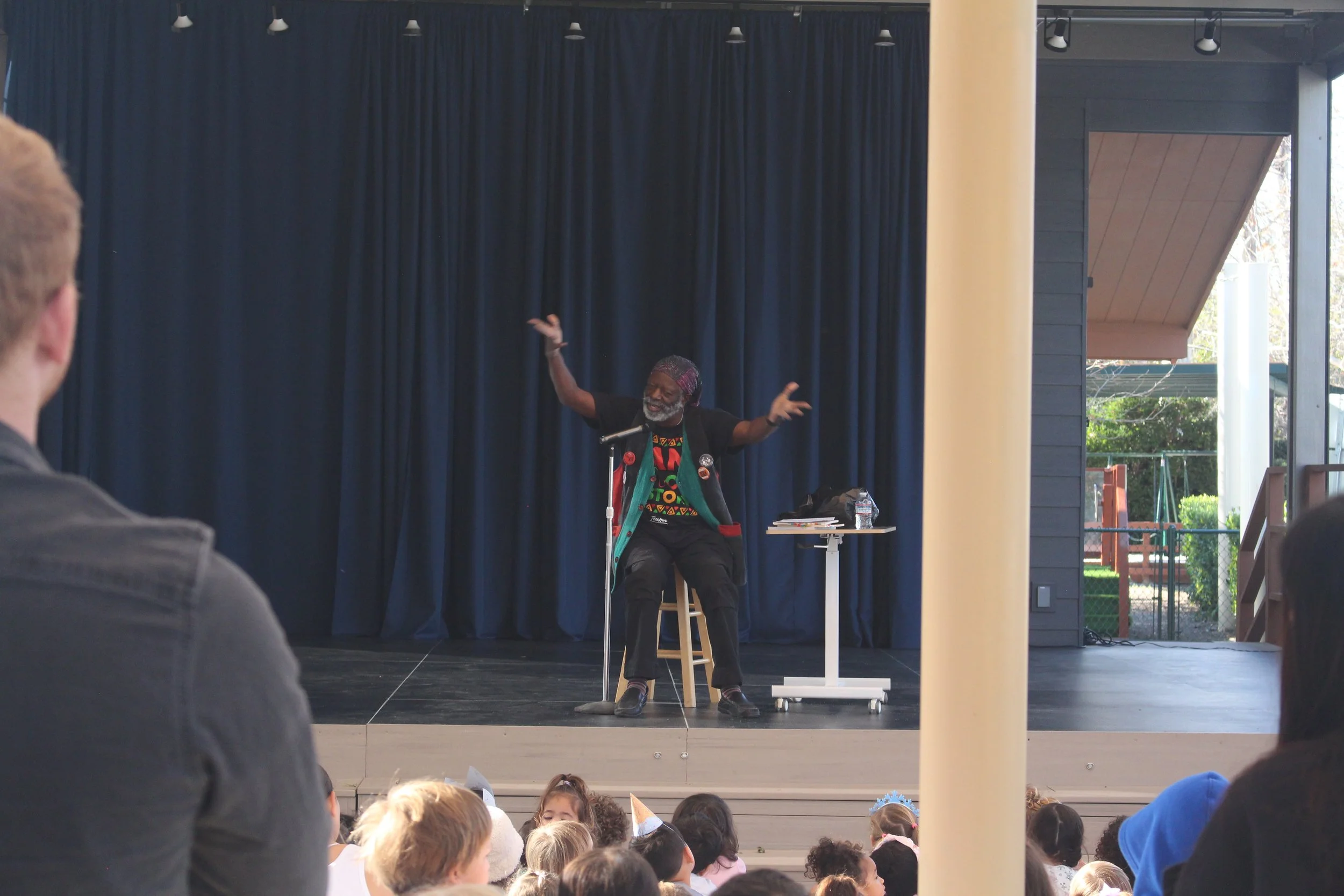
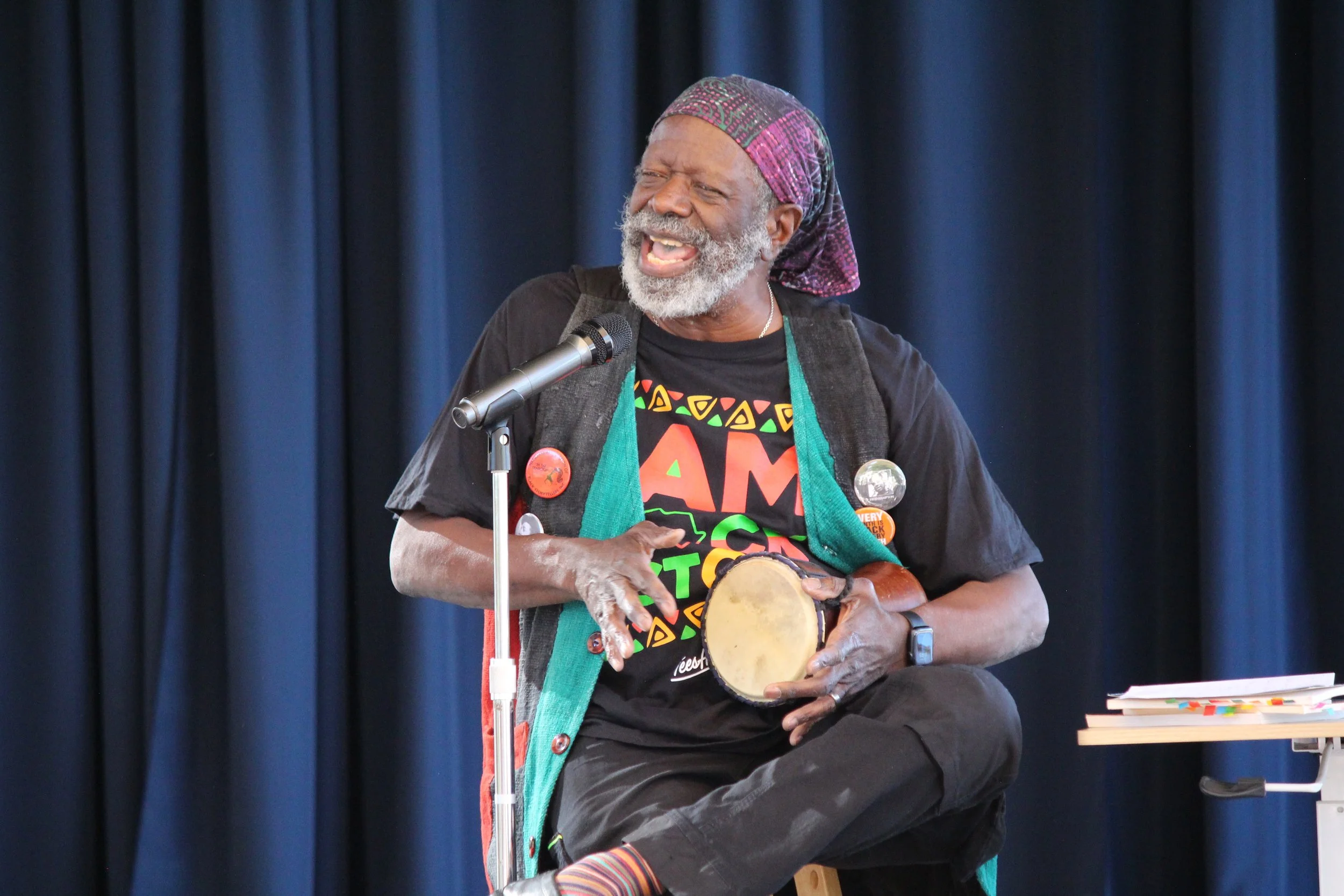
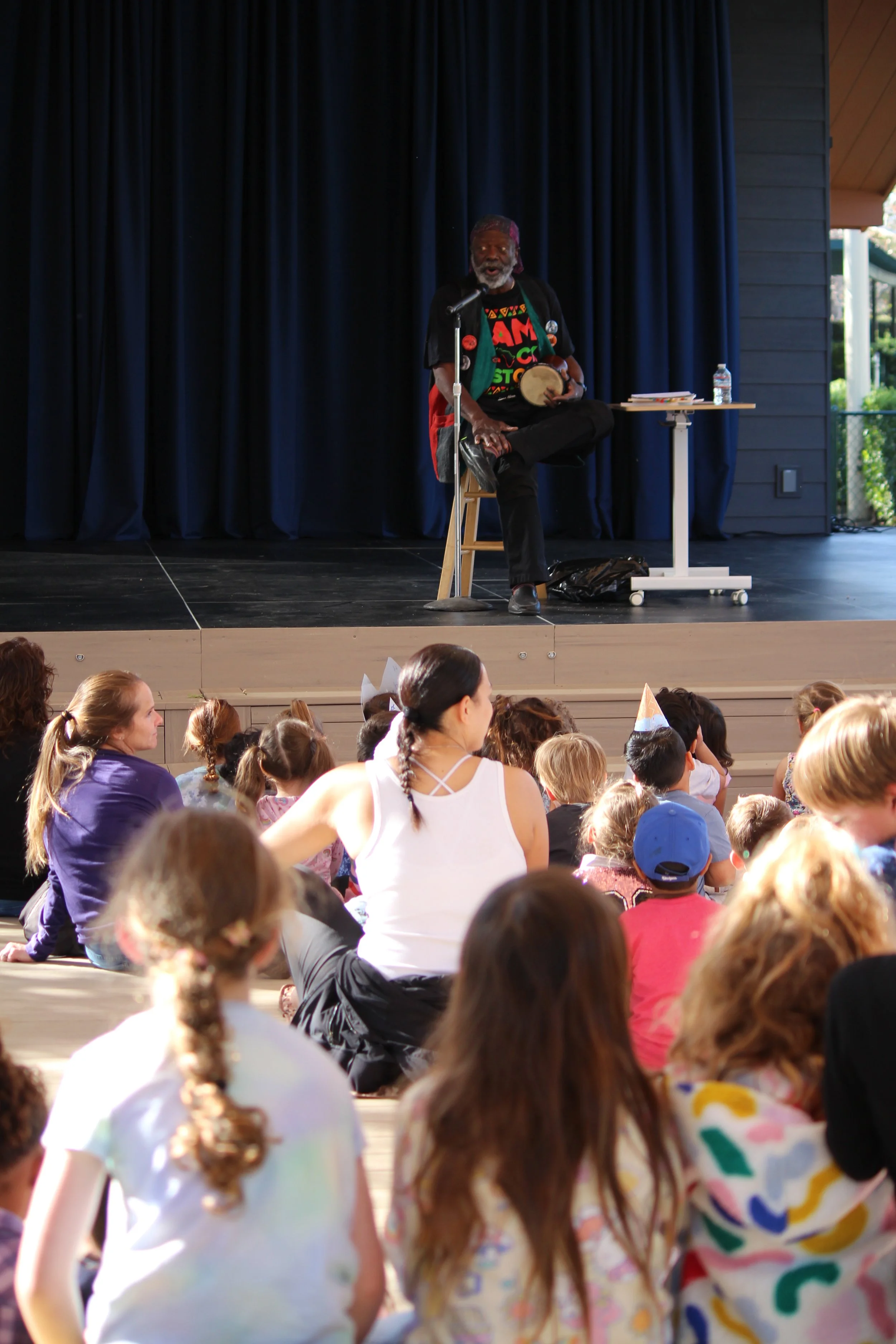
At WHPS, we marked this moment with a visit from Michael McCarty, whose storytelling and lived experience offered students something deeper than a list of historical facts. His visit reminded us that history, like people, cannot be reduced to a single label or chapter. It is layered, complex, and deeply human.
This gathering also held special meaning as our first all-school event in our newly opened performance space, a setting designed for shared experiences and storytelling. The visit was planned in collaboration with families from our parent organization and Black Families Affinity Group.
When History Gets Flattened
When schools teach Black History Month, or the histories of other historically marginalized communities, there is a natural tendency to focus on “firsts” and famous achievements.
The first person to do something.
The first to invent something.
The first to break a barrier.
These stories matter. They help children see possibility and progress.
But when those stories stand alone, history can become flattened, reduced to highlights without context. The focus shifts to outcomes without always exploring the conditions, experiences, and complexities that shaped them.
Understanding what happened matters. Understanding how and why it happened matters just as much.
A Challenge for Families
This year, we want to offer a simple and practical challenge to families.
As questions and conversations come up, not just in February but throughout the year, try helping your child slow down and think about perspective. We often hear the phrase “when the history books are written,” as if history is fixed and conclusive. But if you open a history or social studies textbook from one or two generations ago, the story often sounds very different.
As adults, we experience this every day. Two people can look at the same event, the same information, or the same interaction and, within reason, walk away with different understandings.
Children benefit from seeing that kind of thinking modeled.
What This Can Look Like at Home
Often, the most meaningful learning happens when adults think aloud with children about situations they already care about.
This might happen after a school day when a child gets into the car upset about an interaction with a peer. Rather than rushing to solve the problem, families might gently explore questions like:
What do you think the other person might have been thinking in that moment?
Is it possible they understood the situation differently than you did?
What might they have been feeling or worried about?
What do we know for sure, and what might we not know yet?
The same approach applies to learning about the past. Instead of focusing only on what someone accomplished, families can wonder aloud about daily life, the choices people faced, and why different groups might remember the same events in different ways.
These conversations build empathy, perspective-taking, and critical thinking, skills children use far beyond the classroom. It is a simple approach, and one that feels very much in line with the spirit of Michael McCarty’s visit and message.
Why Context Matters
Black History Month is not about teaching white children to dislike themselves, just as learning about any group’s history is not about diminishing anyone else. It is about helping children understand the world more honestly.
When history is stripped of context, it risks becoming trivia. When context is preserved, history becomes human.
We see this across many areas of education. In California, Harvey Milk Day is a state holiday, yet it is sometimes approached cautiously because of adult discomfort. The instinct to “handle things gently” often comes from a desire to protect children. In practice, children are best served by age-appropriate honesty that helps them make sense of how people, movements, and change unfold over time.
Trying to understand the present without understanding how we got here is like trying to sort out an argument without knowing how it began.
Learning That Evolves
Conversations like those explored in this week’s Code Switch episode “The History of Black History Month, One Hundred Years In” remind us that how we teach history evolves over time and that reflection is part of responsible education.
Black History Month itself was created in response to what was missing from classrooms. One hundred years later, it still faces misconceptions, and the work continues. Not just in which stories are told, but in how they are understood.
Looking Ahead
As we honor Black History Month’s centennial year, our goal is not just celebration. It is understanding. History is not simply something that happened. It is something we are still living. When children learn to see people within the fullness of their stories, they are better prepared to understand themselves, one another, and the world they are growing into.