|
Discover how WHPS fosters curiosity, connection, and growth through storytelling, communication, and nature-based learning.͏ ͏ ͏ ͏ ͏ ͏ ͏ ͏ ͏ ͏ ͏ ͏ ͏ ͏ ͏ ͏ ͏ ͏ ͏ ͏ ͏ ͏ ͏ ͏ ͏ ͏ ͏ ͏ ͏ ͏ ͏ ͏ ͏ ͏ ͏ ͏ ͏ ͏ ͏ ͏ ͏ ͏ ͏ ͏ ͏ ͏ ͏ ͏ ͏ ͏ ͏ ͏ ͏ ͏ ͏ ͏ ͏ ͏ ͏ ͏ ͏ ͏ ͏ ͏ ͏ ͏ ͏ ͏ ͏ ͏ ͏ ͏ ͏ ͏ ͏ ͏ ͏ ͏ ͏ ͏ ͏ ͏ ͏ ͏ ͏ ͏ ͏ ͏ ͏ ͏ ͏ ͏ ͏ ͏ ͏ ͏ ͏ ͏ ͏ ͏ ͏ ͏ ͏ ͏ ͏ ͏ ͏ ͏ ͏ ͏ ͏ ͏ ͏ ͏ ͏ ͏ ͏ ͏ ͏ ͏ ͏ ͏ ͏ ͏ ͏ ͏ ͏ ͏ ͏ ͏ ͏ ͏ ͏ ͏ ͏ ͏ ͏ ͏ ͏ ͏ ͏ ͏ ͏ ͏ ͏ ͏ ͏ ͏ ͏ ͏ ͏ ͏ ͏ ͏ ͏ ͏ ͏ ͏ ͏ ͏ ͏ ͏ ͏ ͏ ͏ ͏ ͏ ͏ ͏ ͏ ͏ ͏ ͏ ͏ ͏ ͏ ͏ ͏ ͏ ͏ ͏ ͏ ͏ ͏ ͏ ͏ ͏ ͏ ͏ ͏ ͏ ͏ ͏ ͏ ͏ ͏ ͏ ͏ ͏ ͏ ͏ ͏ ͏ ͏ ͏ ͏ ͏ ͏ ͏ ͏ ͏ ͏ ͏ ͏ ͏ ͏ ͏ ͏ ͏ ͏ ͏ ͏ ͏ ͏ ͏ ͏ ͏ ͏ ͏ ͏ ͏ ͏ ͏ ͏ ͏ ͏ ͏ ͏ ͏ ͏ ͏ ͏ ͏ ͏ ͏ ͏ ͏ ͏ ͏ ͏ ͏ ͏ ͏ ͏ ͏
February 2025 Newsletter
The Art & Science of Learning at WHPS
|
|

|
Registration for Summer Camp Watch for February email
|
|
|
|
|
🌞 Camp Woodland Hills: Summer 2025For Children Entering TK-6th GradeGet ready for an unforgettable summer filled with exciting events, field trips, and activities! Important Dates & Information📩 Mid-February: Registration form & brochure emailed to families & available at campwoodlandhills.com.
📅 March 16 & April 6: Camp Open House – Join us to learn more!
🔗 April 11: Registration deadline. 🚀 First come, first served! Register early to avoid the waitlist & secure your preferred schedule!
|
🌞 Preschool Summer 2025Flexible Summer Tuition Available!Families must submit a Summer Registration Form by March 14 to confirm their summer schedule. Important Dates & Information📩 Mid-February: Summer Registration Form sent home. 🔗 March 14: Summer Registration Form due. ❗Reminder: Summer registration does not affect Fall 2025 enrollment.
|
This month, discover how WHPS’s unique approach to learning transforms curiosity into leadership.
|
Special EditionSeth Pozzi, Head of School
|
|
|

|
📚 The Transformative Power of StoriesHow the Stories We Share Shape the Leaders We Need
|
|
|
|
|
|
A powerful story doesn’t just teach—it transforms. It can turn apathy into empathy and indifference into compassion. Yet too often, history and complex issues are reduced to dry summaries, stripping away the human experience. One of the most powerful—and underused—ways to teach is through the eyes of children. When young learners engage with history, identity, and justice through real human stories, abstract concepts become personal, and real learning begins. “The most important stuff I’ve learned, I think I’ve learned from novels. It has to do with empathy. It has to do with being comfortable with the notion that the world is complicated and full of grays.”
— President Barack Obama
At WHPS, we don’t just teach history and literature—we bring them to life through storytelling, helping students wrestle with ideas, engage in meaningful conversations, and develop critical thinking skills that shape how they see the world. 📚 How do stories equip future leaders with the insight, courage, and empathy to shape a better world?
|
Elementary NewsMelanie Henson, Principal | Cynthia Baroudi, Dean of Students
|
|
|

|
🗣️ Beyond WordsThe Art and Power of Thoughtful Communication
|
|
|
|
|
|
One of the most remarkable aspects of education is how quickly a classroom becomes a microcosm of the larger world. In a single day, an elementary student might wrestle with fairness, justice, identity, or kindness—concepts that even adults find complex. At WHPS, we don’t leave these skills to chance. We intentionally teach and practice them every day. Through Accountable Talk (also known as “Talk Moves”), WHPS students learn to think critically, express ideas with confidence, and listen with empathy. These skills are seamlessly woven into daily lessons, empowering students to engage meaningfully in an increasingly diverse and interconnected world. 🗣️ Discover how WHPS equips students with the communication tools to thrive—both in and beyond the classroom.
|
Preschool NewsRobin Gee & Kat Alvarado | Collins Campus Directors
Christine Chiché-Lopez & Roxana Mackey | Oxnard Campus Directors
|
|
|
🌳 From Forest to FocusHow Nature Builds Focus, Resilience & Problem-Solving Skills
|
|
|
|
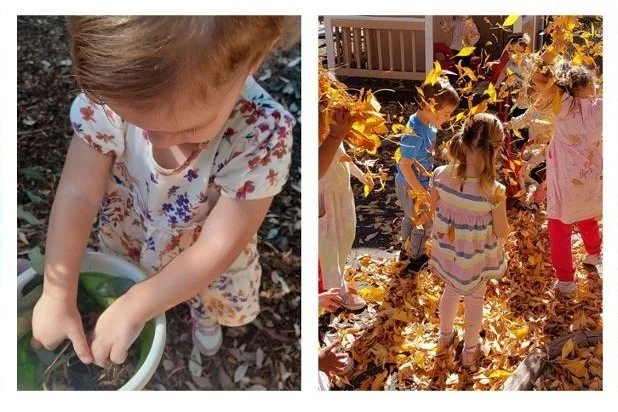
In a city like Los Angeles, where daily connections to nature can be limited—especially for those who don’t have large backyards (or perhaps no backyard at all)—WHPS offers something extraordinary: a campus where nature isn’t just a backdrop—it’s a teacher. From our 500-year-old oak tree and Forest & Veggie Garden to our Teaching Zoo, children learn, play, and grow in outdoor environments that spark curiosity, creativity, and essential life skills. Why does it matter? Here are some surprising benefits of nature-based learning:✅ Boosts focus & self-regulation – Helps children manage attention and can even reduce ADHD symptoms.
✅ Protects vision – Reduces eye strain and strengthens long-term eye health.
✅ Develops creative problem-solving – Teaches children to navigate challenges with flexible thinking.
✅ Builds resilience & adaptability – Prepares children to thrive in more structured learning environments as they transition into our elementary program. 🌳 Discover how WHPS uses nature to nurture curious, confident learners.
|
Science & Nature Center NewsCameron Foots, Animal & Nature Specialist | Mary Ida Williams, Animal Keeper
|
|
|
|
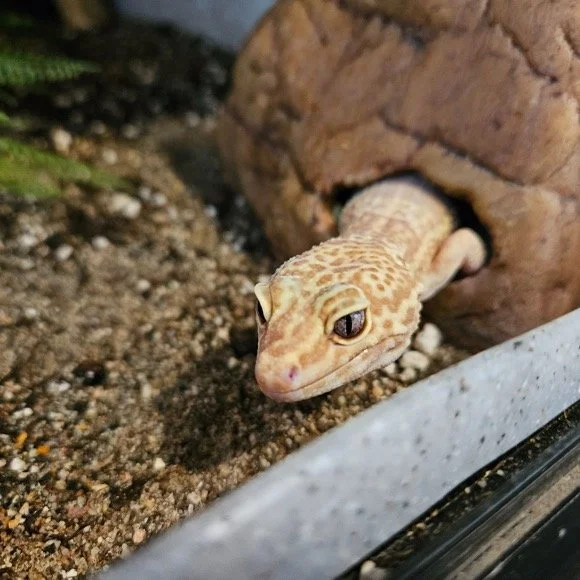
Miss Sunshine ☀️Miss Sunshine, our leopard gecko, hatched in 2016 and is turning 9! 🦎 Native to South Asia’s dry grasslands and deserts, these reptiles thrive on live insects and can live over 20 years. Like birds, they hatch from eggs—a trait shared by many reptiles! |
|
|
|
|
🐾 What’s Happening This MonthOur students are exploring the fascinating connections between animal science, ecology, and physiology—all while examining how recent wildfires impact our animal friends and even processes like evolution. 🧬 4th & 5th Grade: Students are wrapping up their study of population bottlenecks and genetic diversity, uncovering how ecosystems thrive—or struggle—based on genetic variation. Next, they’ll explore circulatory systems, comparing heart function across species. 🦜 2nd & 3rd Grade: Through advanced animal care techniques, students are refining their husbandry skills while diving into comparative anatomy and ornithology—exploring birds of prey and their adaptations to changing environments. 🩺 1st Grade: Young scientists are stepping into the role of veterinary caretakers, learning to recognize signs of illness in animals. They’ll also explore photosynthesis and its role in sustaining life. 🌱 Kindergarten: Kindergarteners will experiment with different substrates (materials used in animal habitats) to study their impact on health, moisture retention, and ecological balance—an essential part of habitat design. 🐾 Preschool & TK: Our youngest scientists will focus on animal classification, exploring how air quality, temperature, and environmental changes affect different species.
|
📅 Important February Dates
|
Both CampusesOxnard Campus5: PAWS Meeting on Zoom at 6:30 PM 6: Reggae Performance at 10 AM 11: Rhythm Child Program, Sponsored by PAWS 12: Picture Make-Up Day 12: Culture & Belonging Meeting on Zoom at 12 PM 14: Val-E-Grams, Sponsored by PAWS 19-21: 4th & 5th Grade Overnight Trip to Astrocamp 21 & 24: Elementary Student-Led Conferences – NO ELEMENTARY CLASSES 25: 4th & 5th Grade SLC Make-Up Day 25: Restaurant Night at Fresh Brothers Calabasas
Collins Campus
|
|
|
|